 Buy gold bars
 Buy gold coins
 Series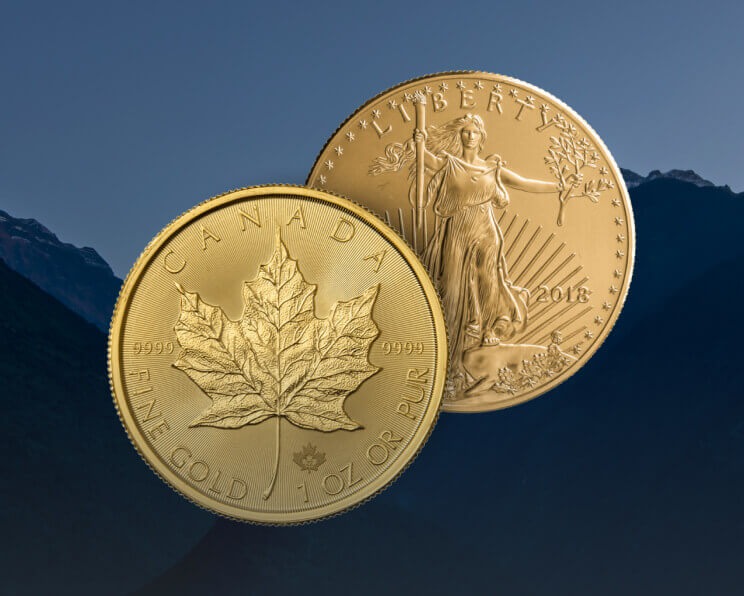
 Buy silver coins
 Buy silver bars
 Series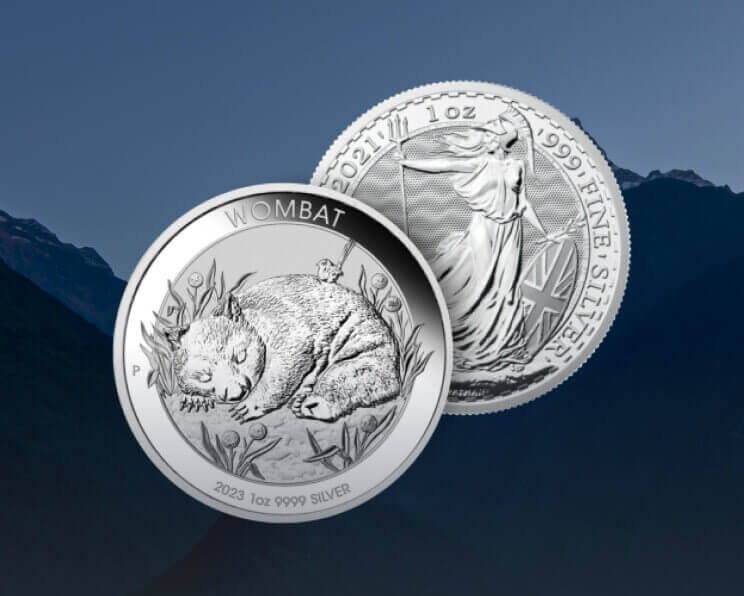
 Buy silver collectible coins
 Silver collectible coin series
 Buy gold collectible series
 Gold collectible coin series
 Taxation
Tax rules for precious metals
How is privately owned precious metal taxed?
Can I invest in precious metals as a business?
How does the VAT exemption work for precious metals?
Different VAT rules apply to precious metals depending on the type of metal and the form in which it is sold. In practice, two arrangements are most relevant: the VAT exemption for investment gold and the margin scheme for certain investment coins.
Read moreHow does VAT work when buying and selling precious metals?
Am I required to file a tax return
How are stored precious metals taxed in the Netherlands?
Precious metals are subject to wealth tax in the Netherlands.
Read moreDo you have any questions?
Do you have questions about your order? We answer them in our customer service.
To customer service
Be the first to discover the latest products and the latest news about precious metals.

Searching within The Silver Mountain
Highlighted



 Nederlands