
 Buy gold bars
 Buy gold coins
 Series
 Buy silver coins
 Buy silver bars
 Series
 Buy silver collectible coins
 Silver collectible coin series
 Buy gold collectible series
 Gold collectible coin series
 Author:
 Date: 6 November 2026
Gold price fluctuates sharply due to geopolitical tensions and oil fears
 Rolf van Zanten
13 March 2026
Gold and silver have had an eventful week. The gold price fell last Friday by more than 3.5 percent in a single day and plunged below the $4,000 per troy ounce mark. Silver fell even harder and briefly traded at $48.62 on Tuesday. That is the lowest level in a year. It is precisely such round numbers that affect investors. What is behind this decline? And how do you, as an investor in physical precious metals, keep a cool head?
Gold and silver fell sharply over the past week. Gold dropped below $4,000 per troy ounce, silver below $50. The selling pressure coincided with losses on the stock market, a strong dollar and expectations of another US interest rate hike in December. Silver lost nearly 10 percent, gold about 3 percent.
Are you curious about what happened last week and what causes are behind this price decline? Below we share our analysis.
At The Silver Mountain itself we saw the number of orders increase by about 20 percent as a result. Investors used this correction to buy at these round amounts.
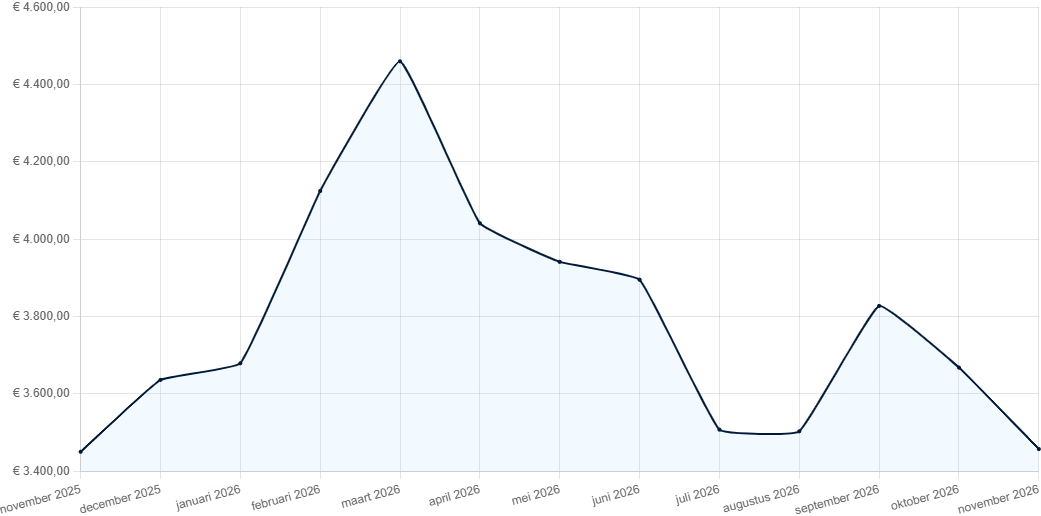
On Friday 30 October gold lost more than 3.5 percent. That brought the price below $4,000 per troy ounce, the lowest level since October last year. At the start of this week a cautious recovery followed. On Tuesday 3 November gold closed again around $3,929. Converted that is about €3,510 per troy ounce, or roughly €112,800 per kilo.
Measured over a week gold is about 3 percent lower, over a month about 7.5 percent. At the end of January gold still reached a record of almost $5,600. Since then the price has fallen by about 30 percent.
At the end of last week silver fell below $50 per troy ounce. Over seven days silver lost almost 10 percent. On Tuesday the closing price was around $49.66. Converted that is about €44 per troy ounce, or €1,427 per kilo. In a month it lost almost a fifth of its value.
This puts silver back at the level of a year ago. In between it made a remarkable journey. On 29 January a troy ounce of silver still cost $121.67. From that record the price has fallen by almost 60 percent.
Do you want to follow the price yourself? On our pages with the current gold price and silver price you can see the price and the price trend.
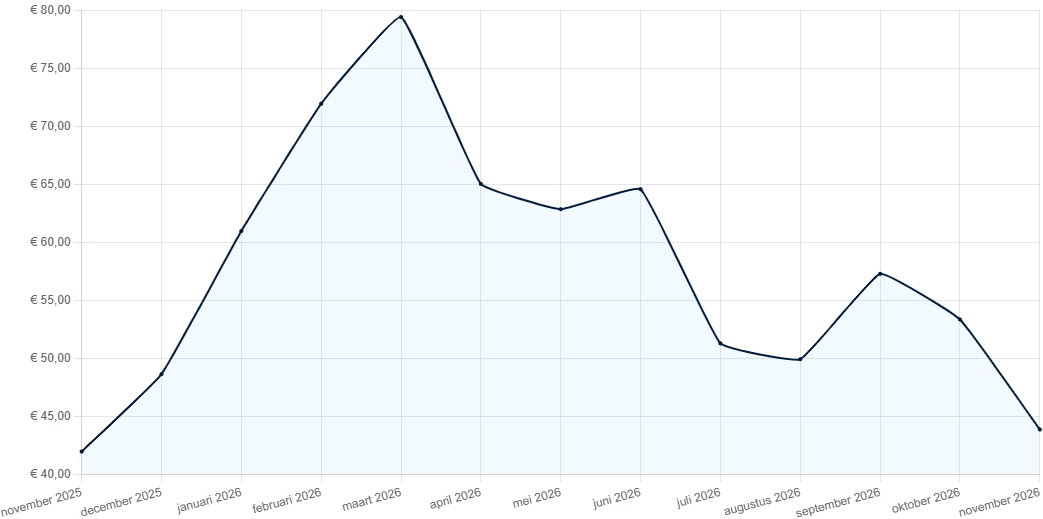
There is not one single cause to point to. The decline coincided with several developments.
The sharpest fall came at the end of last week. On Wall Street tech stocks plunged and the Nasdaq lost nearly 3 percent. Many investors who had been trading with borrowed money were forced to quickly add cash or close positions.
Gold and silver are easy to sell at such times. That makes them vulnerable. The reason to sell then has little to do with the precious metals themselves: investors mainly need cash.
ING metals analyst Ewa Manthey pointed out in the FD that investors reduced positions to cover losses elsewhere (source).
Gold and silver do not pay interest themselves. If US government bonds yield more, investors are more likely to choose them. The Federal Reserve raised rates in September for the first time in three years. Inflation rose because of the war in the Middle East.
Last week rates stayed unchanged, at 3.75 to 4 percent. Two policymakers did vote for a new increase. The market expects another step in December.
The dollar also plays a role. Gold and silver are traded in dollars. A stronger dollar makes precious metals more expensive for buyers outside the United States, which dampens demand. For Dutch investors the strong dollar also had an advantage: measured in euros the decline was slightly less severe.
An attack on an oil tanker in the Strait of Hormuz pushed the oil price last week to its highest level since April. More expensive energy means more inflation, and that makes a rate increase more likely. Earlier this week the oil price fell again. That gave gold some relief for a while, but a stronger dollar and rising rates pushed the price down again.
Meanwhile, Americans went to the polls on Tuesday for the midterm elections. That uncertainty also plays a background role.
In this knowledge article you can read more about the impact of geopolitical tensions on the gold price.
Gold had been trading for weeks just above an important support level of about $3,975. When the price broke through that level, many automatic sell orders were triggered at once. That sent the decline into a tailspin.
Silver lost almost 10 percent in seven days, compared with about 3 percent for gold. Measured over a month the difference is larger: almost 19 percent versus 7.5 percent.
That difference is related to silver's dual character. Investors hold it as a precious metal, like gold. In addition, more than half of demand goes to industry. The silver price therefore reacts to the same factors as gold, such as interest rates and the dollar. It also reacts to expectations about industrial demand.
That sensitivity has become visible this year. When the silver price rose above $120 at the end of January, solar cell manufacturers, according to the FD, partly switched to the cheaper copper. The recent sell-off in tech stocks increased uncertainty about demand from the electronics industry. In addition, the high prices earlier this year made recycling more profitable, adding extra supply.
The gold-silver ratio shows how many troy ounces of silver you need to buy one troy ounce of gold. On Tuesday that ratio was around 79. At the end of January, at the peak of the silver rally, it was 46.
A higher ratio means that silver has become cheaper relative to gold. The ratio is now higher than the level it usually hovered around over the past decades.
On our page about the gold-silver ratio you can see how the relationship has developed over the years.
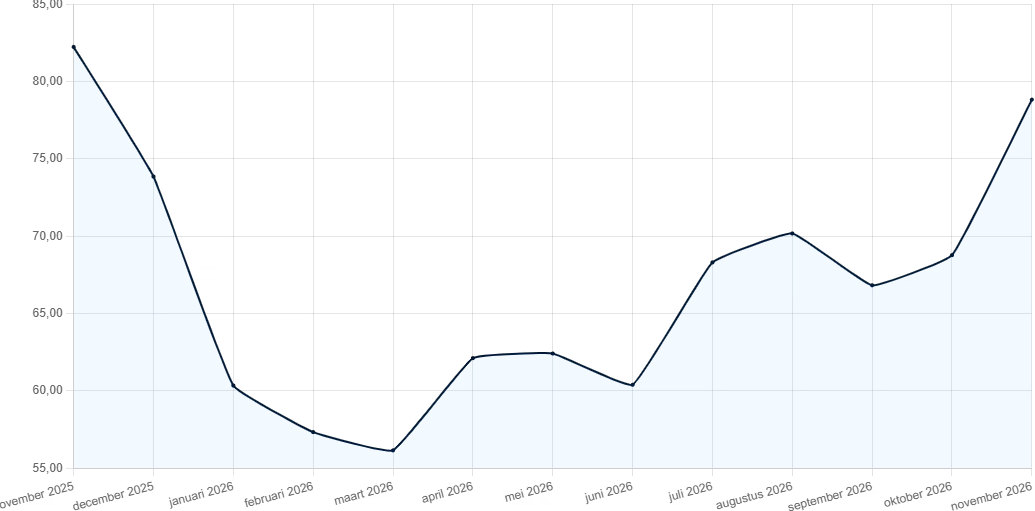
Besides interest rates, the dollar and demand, investor behavior plays a role in the speed of a decline.
$50 for silver and $4,000 for gold are not accidental thresholds. Around such round numbers many investors place their buy and sell orders. For silver, $50 carries extra weight, because in 1980 and 2011 the price peaked around that level. If the price falls through such a threshold, many orders are triggered at once and the decline accelerates.
Someone who saw silver at $120 in January may find $50 cheap. Someone who bought a year ago for $48 thinks very differently. Both are guided by an anchor price, and that says little about what a reasonable price is.
With a further decline, $45 per troy ounce can become the next psychological anchor. Analysts still see possible technical support above that around $48.60 and $47, but such levels do not guarantee that the decline will stop there.
According to behavioral economists, a loss feels about twice as painful as an equally sized gain. In a falling market that easily leads to panic selling, especially if everyone sells at the same time. Saxo strategist Ole Hansen this week spoke of fragile sentiment. According to him, technical selling now weighs more heavily than demand for precious metals.
For investors in physical precious metals the main question is what this correction means for the long term. The reasons why investors bought gold in recent years have not disappeared. Government debts are high and inflation remains stubbornly above central banks' targets. Those central banks themselves also continue to buy gold.
No one knows where the bottom is. Prices are now clearly below the recent peak levels. What you do about that depends on your own situation and expectations.
Those who accept that can choose to stagger their entries instead of buying everything at once. You then buy at different prices and do not have to guess the perfect moment.
On our pages with the current gold price and current silver price you can set a price alert. You choose the price at which you want to receive a notification. As soon as gold or silver reaches that price, we will send you an email immediately.
This article contains general market information and is not personal investment advice. Prices are as of the close on 3 November 2026. The value of precious metals can rise and fall.
Rolf van Zanten is the founder and owner of The Silver Mountain, a specialist in physical precious metals since 2008. With nearly twenty years of experience in the precious metals trade, Rolf shares his expertise on investing in gold, silver, and platinum in an accessible and reliable way. His knowledge of the international gold and silver markets helps investors make well-informed decisions. In his role as an expert, he strives to ensure that transparency, security, and trust are at the heart of every purchase.

Be the first to discover the latest products and the latest news about precious metals.


 Daan Wesdorp

 Nederlands