
 Buy gold bars
 Buy gold coins
 Series
 Buy silver coins
 Buy silver bars
 Series
 Buy silver collectible coins
 Silver collectible coin series
 Buy gold collectible series
 Gold collectible coin series
 Author:
  Date: 3 June 2020
London Bullion Market Association (LBMA) & Good Delivery: certified gold and silver
 Rolf van Zanten
6 October 2025
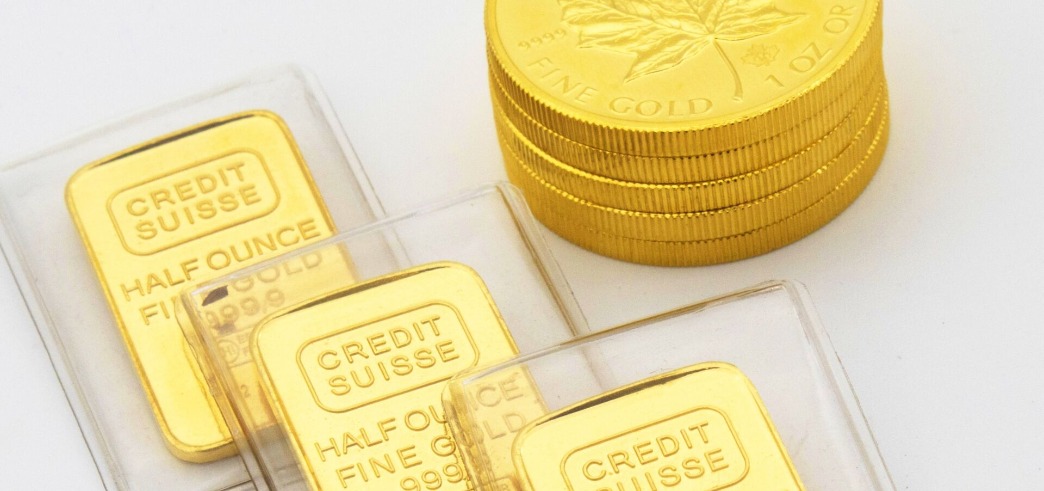
At first glance, gold seems to be a relatively simple precious metal. However, behind every shiny gold bar or gold coin lies an intensive and technical process. When people search for how gold is made, they usually do not mean that this metal is literally created by humans.
Gold is actually a pure chemical element that occurs in nature. Only after that is it mined by humans, highly meticulously purified and processed.
Exactly this complex journey, from raw natural origin to the flawless bar in your safe, is important. It determines the quality, the global tradability and thus the ultimate value of your investment.
In this article, we explain step by step how gold is formed, how gold refining works exactly and how it is ultimately processed into the high-quality products you purchase from us.
Anyone who wonders how gold is made soon comes to a fascinating discovery. We as humans cannot manufacture gold at all.
Even in the most advanced laboratories in the world, chemically reproducing this specific precious metal is simply impossible or so expensive that it is completely economically unfeasible. Gold is a fundamental element that originates far beyond our own planet.
The actual formation of gold requires an unimaginable amount of energy, which only occurs during extreme cosmic events. The journey of a minuscule gold atom to the pure bar in your safe spans billions of years and roughly proceeds through the following three steps:
Only a small part of all this gold is currently close enough to the surface to be economically viable to mine. This complex cosmic and geological past directly explains why physical precious metals are so incredibly scarce and why their extraction remains so capital-intensive.
Before smelters can start the complex process of gold refining, the raw metal must of course first be extracted and collected. Worldwide, this happens in practice via 3 completely different methods.
Each specific way has its own dynamics, a different ecological footprint and a completely different price tag.
This is the most well-known and large-scale form of commercial gold mining. Through deep underground shafts or open pits, solid gold ore is chopped and drilled out of the hard earth's crust.
This rock is then transported to a factory using heavy machinery and completely crushed into a fine powder.
Then, the microscopic gold particles are separated from the grit via intensive chemical processes. This form of mining is extremely capital-intensive and requires enormous amounts of energy and heavy equipment.
With this age-old method, gold is not extracted from hard rocks, but from loose sand, mud and gravel in or around old riverbeds. Over thousands of years, gold particles have been washed out of the mountains by erosion. Because gold is an extremely heavy element, gravity naturally causes it to sink to the bottom of the river.
In alluvial mining, water power and gravity are used to separate the gold from the much lighter sand. This process is considerably more efficient and uses virtually no heavy chemicals.
The third and fastest-growing method does not take place in wild nature, but right in our own society. Gold is an almost indestructible element. As a result, old jewelry, discarded electronics, industrial waste and existing investment products can be endlessly melted down and refined again without losing a fraction of quality.
This so-called urban mining has now become an indispensable and sustainable pillar within the gold market. According to the World Gold Council, the global supply of recycled gold rose to over 1,404 tonnes in 2025. For the production of your brand-new, flawless gold bar, a new mine is therefore no longer always necessary nowadays.
In the table below, you can immediately see the most important characteristics and differences between these three sources of gold.
| Method | Source of the gold | Technique used | Ecological impact |
|---|---|---|---|
| Traditional mining | Hard gold ore from the earth's crust | Drilling, crushing and chemical separation | Very high (energy and chemicals) |
| Alluvial mining | Sand and mud in riverbeds | Water flow and gravity | Medium (landscape alteration) |
| Gold recycling | Old jewelry, electronics and scrap | Sorting, melting and industrial refining | Very low (fully circular) |
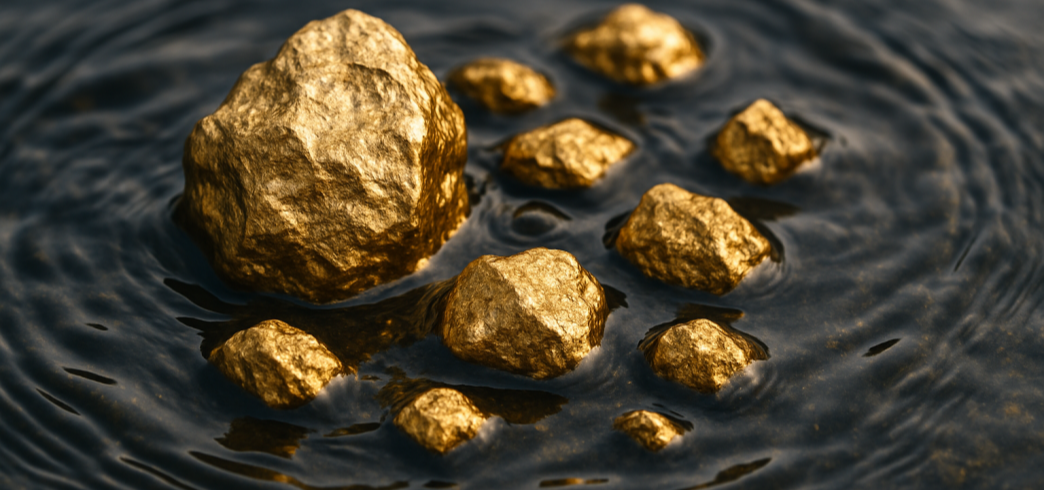
Gold is an element created during extreme explosions in the universe, we can't 'make' it by hand.
After the physical extraction in the mine or the collection of recycled material, the very first processing phase begins. The mined ore or brought-in scrap gold is absolutely not ready for the financial market at this early stage.
With gold ore, the hard rock must first be mechanically ground and chemically treated to concentrate the microscopic gold particles. With gold recycling, one starts by carefully sorting, analyzing and roughly melting down the various materials.
In both cases, the main goal is exactly the same: to create a solid and manageable intermediate product that is suitable for safe transport and further industrial purification.
In large-scale mining, this first intensive production phase invariably ends with the pouring of a so-called doré bar. This is a large, extremely heavy and rough gold bar.
Although a doré bar has a significant gold content, often around seventy to eighty percent, it is still far from pure. The remaining mass consists of natural impurities and raw by-products such as silver, copper or zinc.
For you as an investor, a raw doré bar is absolutely not a tradable product. Although many think that every cast gold bar is immediately pure, in practice this serves exclusively as base material. International refineries must first fully refine this raw intermediate product before it transforms into an investment bar.
In the world of precious metals, the terms melting and refining are often incorrectly used as synonyms. Yet there is a technical difference between the two processes.
Melting gold simply means that you heat the metal until it is liquid, so that you can pour it into another shape. Gold refining, on the other hand, is the industrial and chemical process in which all unwanted substances and other metals are removed from the gold.
The goal of refining is to bring the gold to an internationally recognized and tradable fineness. For investment gold, this is typically 99.99 percent. To achieve this extreme purity, specialized refineries use various scientifically proven methods.
The Miller process is one of the best-known and most widely used industrial ways to refine gold on a large scale. In this process, the impure gold is heated in a furnace and pure chlorine gas is then blown through the liquid substance.
Because base metals and impurities react much faster and more aggressively with chlorine than gold, they bind and form a layer of slag that floats on the metal.
To achieve absolute perfection for the investment market, smelters use the Wohlwill process. This complex process uses electrolysis to further purify the gold. The 99.95 percent gold is placed as an anode in a chemical bath, and a targeted electrical current is passed through it.
The gold slowly dissolves and separates in a completely pure form on the cathode, while all the last remaining impurities are left behind in the liquid.
This chemical method is often applied to smaller batches or when recycling gold from electronics and complex alloys.
The table below gives you a clear overview of the characteristics and applicability of the different techniques.
| Method | Main technique | Maximum purity | Primary application |
|---|---|---|---|
| Miller process | Injection of chlorine gas | 99.95% | Large-scale initial purification of mined gold |
| Wohlwill process | Electrolysis | 99.999% | Production of investment gold and bars |
| Aqua Regia | Chemical solution | 99.99% | Recycling of scrap gold and electronics |
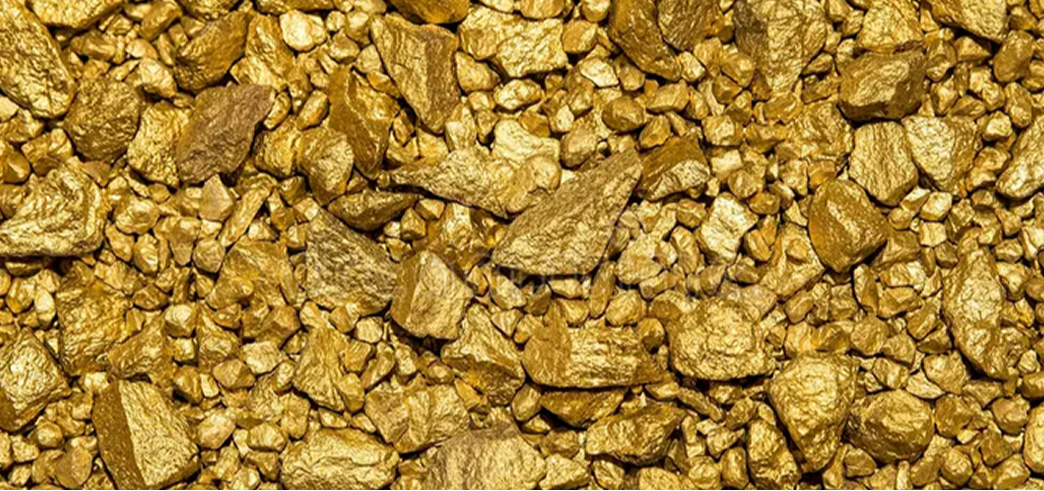
The Wohlwill method provides the highest standard of 99,99% or even 99,999% pure gold.
Private individuals and corporate parties who want to hand in old gold often look specifically for the exact gold refining costs. However, in this industry, it is impossible to state a universal and fixed amount per kilo in advance.
The ultimate costs for purifying precious metals are always tailor-made. They depend heavily on several significant variables during the complex processing process.
When you offer material to a professional smelter, the final compensation for refining is roughly determined by the following four factors:
The composition of your submission is decisive. A straightforward batch of gold jewelry with a relatively high and stable gold content is easy for a smelter to process.
However, if you hand in a complex mix of dental gold, industrial scrap or obsolete electronics, the smelter has to deploy much more intensive chemical processes to separate all the contaminating alloys. This directly increases the processing costs.
Just like in almost any other industry, scale plays a significant role. Large batches are more efficient to analyze and process in one continuous process than various small quantities. With a substantial volume, the relative refining costs per gram drop significantly.
Before the actual refining begins, the laboratory must test the exact composition of your material. This precise analysis involves fixed costs.
In addition, small impurities, dust and dirt always burn away during the very first melting phase. This so-called melting loss ensures that the net weight before refining is always slightly lower than the original gross weight.
It simply takes less time and chemical raw materials to purify gold to 99.95 percent than to achieve the absolute perfection of 99.99 percent. The higher the final purity requirement of the end product, the higher the refining costs will be.
Tip: read all about gold karats and purity in this article.
In practice, a refinery rarely charges a fixed upfront amount for this work. Usually, the smelter retains a pre-agreed, small percentage of the final gold yield.
This deduction acts as compensation for sampling, melting, separating the metals and the final payout in pure gold or fiat money.
After the gold has successfully passed the extremely strict refining phase, the final processing phase begins. The precious metal has now reached the perfect purity of 99.99 percent. It is now ready to be transformed into a commercial end product for the investment market or industry.
Within professional gold production, everything in this phase revolves around standardization. To be traded worldwide without problems, a gold bar or gold coin must exactly meet strict requirements in terms of weight, dimensions and purity.
We see a big difference here between the production of large, solid bars and the extremely refined process of minting coins.
Large gold bars, in practice mostly sizes from one hundred grams up to the well-known kilo bars, are almost always cast. This traditional process is extremely cost-efficient and results in the classic, somewhat robust appearance of a gold bar.
The pure gold is heated to its melting point and weighed very accurately. Then, the liquid precious metal is poured into a heat-resistant mold with exact dimensions. As soon as the metal has cooled and solidified, the solid bar is removed from the mold.
Finally, the producer engraves or stamps all necessary and legal hallmarks into the surface. Such as the smelter's logo, the precise purity, the exact weight and a unique serial number for traceability.
The production process for gold investment coins and small, stamped gold bars is considerably more complex. This requires heavy precision equipment and proceeds through the following four strictly controlled steps:
In gold production, everything ultimately revolves around standardization, reliability, and trust. A bar or coin must not only be one hundred percent pure but must also be able to demonstrate this flawlessly.
To guarantee quality worldwide and protect investors, the London Bullion Market Association (LBMA) was founded in London.
The LBMA is the absolute watchdog of the precious metals market. Only smelters and mints that continuously meet their strict requirements are granted a place on the prestigious Good Delivery List.
The LBMA not only checks whether the refining process is flawless and the scales are accurate to the decimal point, but also looks intensively at responsible sourcing via the Responsible Gold Guidance. They demand full traceability so that the gold is guaranteed not to come from conflict zones.
When you invest in physical precious metals via The Silver Mountain, you exclusively buy products from LBMA-recognized parties. This offers you a rock-solid quality guarantee and assures you that your valuable investment is instantly tradable anywhere in the world, at any bank or professional dealer, and at a fair price.
The journey from raw gold ore or an old piece of jewelry to a flawless investment coin is an impressive and complex process. You have read that not only its unique cosmic origin makes gold so valuable, but also the extremely precise refining and processing.
The strict industrial quality requirements and international accreditations, such as the leading LBMA recognition, guarantee the absolute purity and global tradability of your investment. Because of this, with physical gold from The Silver Mountain, you are always assured of tangible security and the very highest quality.
The Silver Mountain does not provide investment advice. This article is for educational purposes only. Past performance is not indicative of future results.
Melting gold only makes the precious metal liquid to pour it into another shape. Gold refining is a complex chemical or electrolytic process in which impurities are removed. Refining increases the purity to a measurable and tradable standard, such as investment gold.
For investment gold and the jewelry industry, the metal is usually refined to a purity of 99.95 percent or 99.99 percent. With highly specialized industrial processes, such as the electrolytic Wohlwill process, this purity can even be further refined to a maximum of 99.999 percent.
We as humans cannot create gold at all. Gold is a heavy chemical element that was created in the universe billions of years ago. We only extract this metal from the earth's crust or recycle existing stocks, after which we professionally purify and process it.
The costs consist of a fee for the chemical analysis, the initial melting loss and the actual industrial separation process. The total price is always custom work. The more complex or contaminated your supplied material is, the higher the processing costs for the smelter will be.
Yes, this is absolutely worth just as much. As soon as recycled old gold has been fully and professionally refined to a purity of 99.99 percent, it possesses exactly the same chemical quality as newly mined gold. Only the current metal value and the pure weight count.
Rolf van Zanten is the founder and owner of The Silver Mountain, a specialist in physical precious metals since 2008. With nearly twenty years of experience in the precious metals trade, Rolf shares his expertise on investing in gold, silver, and platinum in an accessible and reliable way. His knowledge of the international gold and silver markets helps investors make well-informed decisions. In his role as an expert, he strives to ensure that transparency, security, and trust are at the heart of every purchase.

Be the first to discover the latest products and the latest news about precious metals.


 Daan Wesdorp
 Nederlands