
 Buy gold bars
 Buy gold coins
 Series
 Buy silver coins
 Buy silver bars
 Series
 Buy silver collectible coins
 Silver collectible coin series
 Buy gold collectible series
 Gold collectible coin series
 Author:
  Date: 27 February 2025
Central Bank Digital Currency (CBDC): What Is This Digital Form of Money?
 Rolf van Zanten
21 February 2025
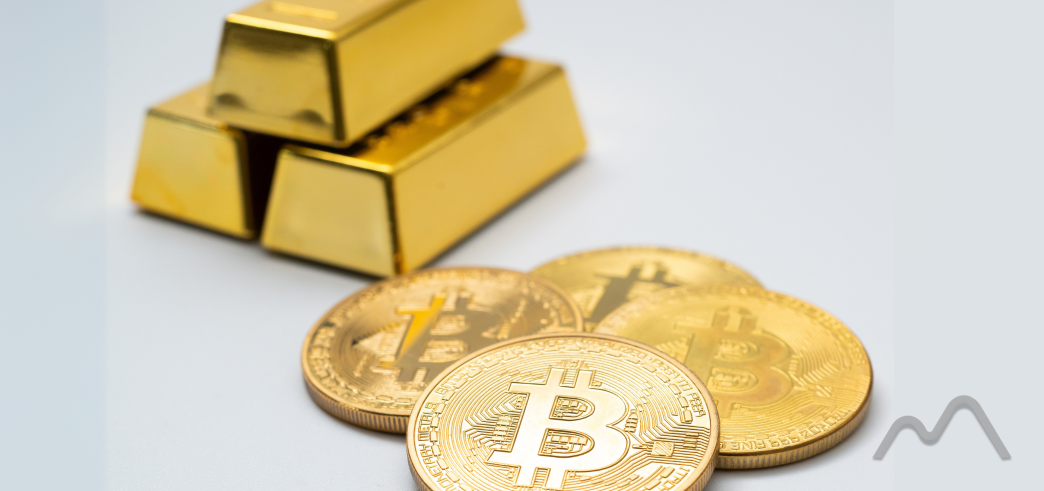
Buying digital gold does not automatically mean you will receive a named gold bar or coin. Depending on the product you buy allocated gold held in a vault, an exchange-traded instrument, a claim on a provider or a digital token. With physical gold you own the metal itself.
The difference between digital gold and physical gold is therefore not the gold price, which is the same for both, but what you legally own, who stores the gold and what happens on sale, delivery or the provider's bankruptcy.
In this article you will read which forms of digital gold exist, how they compare to physical gold and which questions you should ask before you invest.
Digital gold is an umbrella term for products that give you an online right to gold or exposure to the gold price. The app, the platform or the blockchain is only the access method; the underlying legal structure determines what you actually own. There are four main types.
Note: Bitcoin is often called "digital gold" because of its limited issuance, but it is not backed by gold and has no link to the gold price. Bitcoin therefore falls outside the definition in this article.
In this form physical gold is stored for you in a professional vault while you manage it online. Important here is the type of allocation: with individual allocation specific bars are assigned to you (often with a bars list), with pool allocation you are co-owner of a larger stock.
The LBMA makes the same distinction between allocated gold (specific bars) and unallocated gold, where you only have a general claim on metal. Always check whether the gold is legally segregated from the provider's assets; a user-friendly app by itself does not prove that you are the owner.
With a gold ETF you buy through your broker an exchange-traded instrument that tracks the gold price. Many products called "gold ETFs" are legally an ETC (Exchange Traded Commodity): a debt instrument that can be physically backed, but remains a security with its own terms and counterparties.
Your rights are set out in the prospectus and the key information document (KID); physical delivery is almost never possible for retail investors. How these products work exactly can be read in our article about the gold ETF.
Gold tokens such as PAX Gold (PAXG) and Tether Gold (XAUt) are crypto-assets where the issuer states that each token represents an amount of physical gold. For tokens check the whitepaper, the custodian, the independent reserve audits and whether exchange for physical gold is possible. Often a high minimum weight applies.
Within the EU the MiCAR regulation may apply to the token, the issuer or the crypto service provider involved.
A gold account or certificate represents a right to stored gold, but is not always linked to specific bars. With an unallocated account you typically only have a general claim on the provider, and in case of bankruptcy you are an unsecured creditor.
Therefore always ask whether the account is allocated or unallocated and what happens to your claim if the provider can no longer meet its obligations.
Gold mining shares are not digital gold. With them you buy a stake in a company, including all business risks related to costs, management and permits. Why this differs from owning physical gold is explained in our article about physical gold versus gold mining shares.
Physical gold is tangible precious metal that you own yourself, in the form of gold bars or gold bullion coins from producers on the LBMA Good Delivery List, with a purity of up to 99.99%. You keep it at home in a safe or have it professionally and insured in storage.
The defining difference from any digital form: with self-custody there is no party between you and your gold.
| Topic | Digital gold | Physical gold |
|---|---|---|
| What do you own? | Depending on the product: allocated gold, co-ownership, a security, claim, or token | A physical gold bar or gold coin |
| Counterparty | Provider, issuer, custodian, or platform | Limited with home storage; custodian with third-party vault storage |
| Costs | Spread, broker, management, storage, currency, and physical delivery fees | One-off premium; potentially storage and insurance |
| Tradability | Fast via exchange, app, or blockchain; varies by product | Readily tradable via precious metals dealer; physical handover takes slightly more time |
| Physical delivery | Only if permitted by terms, often requiring a minimum weight and incurring fees | In direct possession or redeemable from vault storage |
| VAT | Depends on product structure | Investment gold is VAT-exempt |
| Key risks | Counterparty, contractual, platform, and liquidity risk | Theft, loss, or underinsurance with home storage |
No, digital gold does not always track the gold price one-to-one. Its value, in addition to the gold price, is influenced by the bid-ask spread, management fees, currency movements and the platform's pricing, which can cause the product's return to differ from the underlying gold price.
With physical gold you pay a premium above the metal value and receive a bid price when selling. Therefore, do not compare a product only with the current gold price, but with all costs between purchase and sale.
The costs of digital gold are not automatically lower than those of physical gold; they are just located in different places. A practical rule of thumb:
For tokens, blockchain fees are added; for exchange products, an annual product fee. Physical gold mainly has one-off costs (premium) and, for professional storage, an annual custody fee; with self-custody there are no ongoing costs after purchase.
The fairest comparison: calculate how much you will net receive if you sell the product after one year, then the less visible costs will also become apparent.
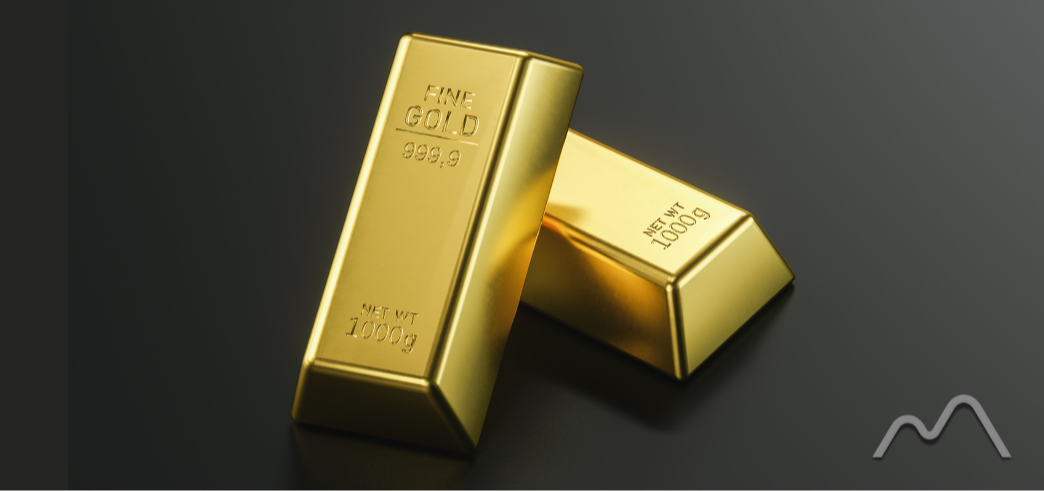
Digital gold is an umbrella term: it can be allocated gold, a gold ETF or gold ETC, a gold account, or a gold token.
Digital gold is not automatically safe or unsafe; safety depends on the ownership model, the provider, the custodian and the technology. Professional custody protects against physical theft but introduces dependence on contracts, systems and the solvency of third parties. That is precisely the type of risk many gold buyers want to avoid.
Physical gold held privately has no platform risk, but it does carry the risk of theft, loss or underinsurance; this is manageable with a solid safe or insured external storage, for example via Edelmetaal Beheer Nederland (EBN).
A license or registration limits certain risks, but does not prevent price losses and does not automatically make a product suitable.
Physical investment gold is exempt from VAT in the Netherlands and the EU, provided it meets the legal criteria (bars with a purity of at least 995/1000; additional conditions apply to coins). The Dutch Tax Authority also considers certain rights on investment gold and trading via gold accounts to fall under this exemption, but that does not mean every digital construct automatically receives the same treatment.
For income tax, both digital and physical gold count as assets in Box 3, valued at the reference date of 1 January. Gold investment coins are treated as "other assets", not as cash. How to determine the value of physical gold for your tax return is explained in our article on the annual reference value of investment gold.
When people search for "buy gold digitally" they sometimes mean something quite different from investing in digital gold: simply ordering physical gold via the internet. Of course that is possible: you order your bars or coins online and receive tangible gold, delivered insured to your home via our personal delivery service or placed directly in insured storage.
The purchase process is digital; the ownership is physical. See our buy physical gold range to discover which form of physical gold best suits your needs.
The right form depends on your goal and your need for control. If you mainly want to follow the gold price briefly and flexibly via an existing investment account, an exchange-traded gold product can be practical—provided you understand the prospectus, the costs and the legal structure.
If direct, tangible ownership is central and you buy gold as long-term protection for your wealth, physical gold is generally a better fit: no counterparty risk when held personally, VAT exemption and full control.
With digital gold, it's not the app that is decisive but the legal structure behind it. Always ask exactly which legal right you are buying, where the gold is stored and what happens in the event of bankruptcy. Physical gold in your own possession is the only form without counterparty risk, and for many investors that is the essence.
Rolf van Zanten - Gold expert at The Silver MountainDigital gold and physical gold follow the same gold price, but differ in what you actually own. Digital gold offers convenience and quick tradability, in exchange for ongoing costs and with a counterparty between you and the gold. Physical gold offers direct ownership, VAT exemption and independence from platforms and issuers.
With any digital form, first check the legal ownership, the backing and the delivery rights. Bear in mind that buying physical gold can be as digital as you like today, with tangible ownership as the result.
The Silver Mountain does not provide investment advice and this article should therefore not be regarded as such. Past results do not guarantee future performance.
Digital gold is a collective term for products that give you exposure to gold via a platform, broker or blockchain. You can be the owner of allocated gold, co-owner of a gold pool, holder of a security or owner of a token. The terms and conditions determine what you actually own.
No, Bitcoin is sometimes called "digital gold", but it has no link to the gold price. True digital gold, such as a gold ETF or gold token, follows the value of physical gold. Bitcoin is a standalone cryptocurrency with its own, much more volatile price movement.
No. Some forms are fully or partially backed by gold in a vault, others track the gold price only via a financial contract. Even with physical backing you are not automatically the legal owner of specific bars. Therefore check the ownership rights, the custodian and the bar list.
Sometimes. With allocated gold physical delivery may be possible, but often minimum weight, production and transport costs and identification requirements apply. For gold ETFs and many tokens delivery is not available to private individuals; when you sell you receive money, not gold. Check the terms before purchase.
You buy digital gold through brokers (gold ETFs and ETCs), providers of gold accounts or platforms for gold tokens. The Silver Mountain does not offer these products; we specialize in physical precious metals. However, you can order physical gold fully online from us, with insured delivery or storage.
That depends on your holding period. Digital gold has low entry costs but ongoing management or service fees. Physical gold involves a one-time premium and possibly storage costs. Calculate for both how much you receive net when selling; over the long term that amount often works out more favourably for physical gold.
Yes, for Dutch private individuals digital gold generally falls under assets in Box 3, like physical gold, with the value on the reference date of January 1. The exact category may vary by legal form. Check your personal situation with the Belastingdienst or a tax advisor.
Rolf van Zanten is the founder and owner of The Silver Mountain, a specialist in physical precious metals since 2008. With nearly twenty years of experience in the precious metals trade, Rolf shares his expertise on investing in gold, silver, and platinum in an accessible and reliable way. His knowledge of the international gold and silver markets helps investors make well-informed decisions. In his role as an expert, he strives to ensure that transparency, security, and trust are at the heart of every purchase.

Be the first to discover the latest products and the latest news about precious metals.


 Daan Wesdorp
 Nederlands