
 Buy gold bars
 Buy gold coins
 Series
 Buy silver coins
 Buy silver bars
 Series
 Buy silver collectible coins
 Silver collectible coin series
 Buy gold collectible series
 Gold collectible coin series
 Author:
  Date: 21 February 2025
VAT on Gold: everything you need to know about buying VAT-Free Gold
 Rolf van Zanten
21 February 2025
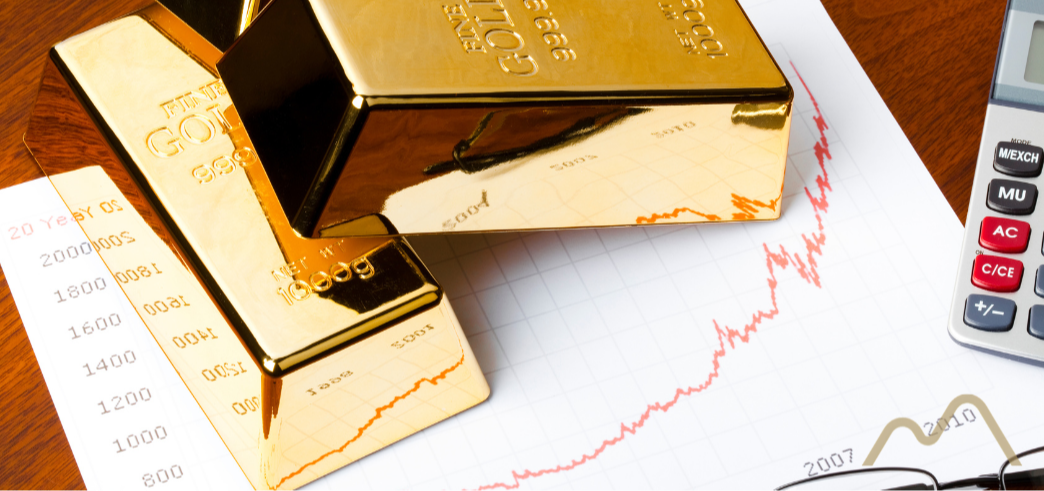
Physical gold is often seen as a safe form of wealth accumulation, but what about the tax on gold? Many private investors wonder if they must declare gold in their tax return, how gold is taxed in the Netherlands, and how much tax they pay on it in Box 3. Especially regarding the 2025 tax return, there is frequent lack of clarity on this subject.
In this article, we explain how the annual valuation of investment gold is determined, when you do not have to declare gold, how the tax authorities assess your gold holdings, and what the fiscal rules are when inheriting gold. We also briefly cover the taxation of other precious metals such as silver, platinum, and palladium.
In most situations: yes, investment gold must be declared in the tax return. Physical gold is viewed by the tax authorities as part of your assets and thus falls under Box 3 (savings and investments). This applies to both gold coins and gold bars, regardless of whether you store the gold at home or externally.
The tax authorities do not look at your purchase price, but at the value of the gold on the reference date of January 1st. This value counts toward the calculation of your total Box 3 assets.
You must declare gold when it:
In practice, this means that almost all forms of investment gold must be declared in the tax return.
An important exception exists. Gold does not have to be declared when it qualifies as a utilitarian object. Think of jewelry that you actually wear and use. These fall outside Box 3, as long as the use is central and not the investment value.
Please note: Gold jewelry purchased primarily as an investment or store of value (for example, unused jewelry with a high gold value) can still be classified as assets by the tax authorities.
In cases of doubt, the tax authorities primarily look at:
Is the primary purpose investment? Then you must almost always declare the gold in Box 3.
For the tax return, the moment of purchase is not decisive; the annual reference value of your investment gold is. The tax authorities use one fixed date for this: January 1st of the tax year.
For the 2025 return, this means you must use the value of your gold on January 1st, 2025. This reference value forms the basis for calculating your Box 3 assets. Any price increases or decreases after this date are only taken into account in the next return.
The value of investment gold is determined based on the fair market value. In practice, this means:
For gold bars and common investment coins, the melt value is usually used. Any collector or numismatic surplus value usually plays no role for the tax authorities unless it is demonstrably and structurally higher than the gold value.
It is wise to record the gold price used and the calculation so that you can substantiate it in case of questions from the tax authorities.
The gold price can fluctuate around the turn of the year. The tax authorities do not expect an exact rate to the minute, but a reasonable and defensible valuation around the reference date. Therefore, use:
As long as you proceed consistently and with substantiation, you meet the fiscal obligations.
Investment gold must usually be declared in the tax return and falls under Box 3.
The rates below are expressed in euros per kilogram. You calculate the value of your holdings using these rates and the weight of the precious metal you own. The tax authorities always use the exchange value of January 1st.
The Silver Mountain accepts no responsibility for any errors and/or imperfections that may occur in your tax return as a result of this or otherwise.
The gold price that you report to the tax authorities is determined on 1 January. The London Bullion Market Association (LBMA) is responsible for setting global benchmarks. The annual benchmark value of gold is based on this. In recent years, the benchmark value of gold looked like this:
| Date | Amount in euro |
|---|---|
| 01-01-2026 | EUR 118.333,46 |
| 01-01-2025 | EUR 81.515 |
| 01-01-2024 | EUR 60.173,34 |
| 01-01-2023 | EUR 54.626,65 |
| 01-01-2022 | EUR 51.713,11 |
| 01-01-2021 | EUR 50.853,58 |
| 01-01-2020 | EUR 43.522 |
| 01-01-2019 | EUR 36.017 |
| 01-01-2018 | EUR 34.768 |
| 01-01-2017 | EUR 35.317 |
| 01-01-2016 | EUR 31.325 |
| 01-01-2015 | EUR 31.615,45 |
| 01-01-2014 | EUR 28.053,53 |
| 01-01-2013 | EUR 40.317,67 |
Find the current gold price here.
As with gold, the reference value of investment silver is determined for the tax authorities on January 1. The silver price has historically been more volatile than the gold price, which can also be seen in the table below:
| Date | Amount in euro |
|---|---|
| 01-01-2026 | EUR 1.954,21 |
| 01-01-2025 | EUR 897,50 |
| 01-01-2024 | EUR 690,60 |
| 01-01-2023 | EUR 721,14 |
| 01-01-2022 | EUR 659,20 |
| 01-01-2021 | EUR 713,41 |
| 01-01-2020 | EUR 513,50 |
| 01-01-2019 | EUR 433,43 |
| 01-01-2018 | EUR 452 |
| 01-01-2017 | EUR 494 |
| 01-01-2016 | EUR 408 |
| 01-01-2015 | EUR 418,99 |
| 01-01-2014 | EUR 455,40 |
| 01-01-2013 | EUR 738,88 |
Find the current silver price here.
| Date | Amount in euro |
|---|---|
| 01-01-2026 | EUR 55.445,38 |
| 01-01-2025 | EUR 28.790,70 |
| 01-01-2024 | EUR 29.283,54 |
| 01-01-2023 | EUR 32.436,04 |
| 01-01-2022 | EUR 27.211,77 |
| 01-01-2021 | EUR 28.790,70 |
Find the current platinum price here.
| Date | Amount in euro |
|---|---|
| 01-01-2026 | EUR 44.747,44 |
| 01-01-2025 | EUR 28.279,14 |
| 01-01-2024 | EUR 32.572,89 |
| 01-01-2023 | EUR 54.270,50 |
| 01-01-2022 | EUR 52.134,71 |
| 01-01-2021 | EUR 63.255,60 |
In the Netherlands, physical gold is not taxed via income tax, but via Box 3: savings and investments. This means you pay no tax on the profit when selling gold and no VAT on investment gold. Instead, your gold holdings are seen as part of your wealth.
The tax authorities (Belastingdienst) consider investment gold as an asset in Box 3. This applies to:
It makes no fiscal difference where the gold is located or through which party you purchased it. As long as you are the owner, the value counts toward your Box 3 assets.
In Box 3, the actual return on gold is not examined, but rather a "notional" or fixed return. The tax authorities assume you achieve a certain (fictitious) return on your total assets, regardless of whether the gold price has risen or fallen.
The tax is calculated based on:
An important advantage of gold is that you pay no tax upon sale, as long as you act as a private individual. Capital gains on gold are not taxed in Box 1 or Box 2. However, the sales proceeds may affect your Box 3 assets at the next reference date.
In Box 3, no distinction is made between gold and other investments such as shares or funds. However, gold falls within the category of "other assets," for which a different notional return usually applies than, for example, savings.
The question “how much tax do you pay on gold?” has no fixed answer, because you do not pay a separate tax on gold. The tax is calculated on your total assets in Box 3, of which gold can be a part.
In the Netherlands, there is no specific gold tax per gram, coin, or bar. You also pay:
Instead, the value of your gold on the reference date (January 1st) counts toward your total Box 3 assets. If you have few other assets besides gold and your total assets remain below the tax-free allowance, you pay no tax on gold, even if you own physical gold.
Imagine:
You own €40,000 in gold and have €20,000 in savings. Your total assets amount to €60,000. If this remains below the tax-free allowance, you pay no Box 3 tax. If your assets are above it, the excess is taxed according to the Box 3 system.
Knowingly or unknowingly failing to declare investment gold in the tax return can have fiscal consequences. Because gold falls under Box 3 in most cases, the tax authorities expect this wealth to be correctly reported.
A risk arises when:
In those cases, omitting gold holdings can be seen as an incorrect declaration.
If the tax authorities determine that gold was wrongly omitted, they can:
The magnitude of these corrections depends on the size of the undeclared assets and whether there was intent or a mistake.
Physical gold is often seen as anonymous, but in practice, gold ownership is not always invisible. Purchase invoices, insurance, external storage, or transactions with recognized dealers can trigger questions during an audit.
Additionally, the tax authorities increasingly exchange information with other agencies, making wealth positions more transparent.
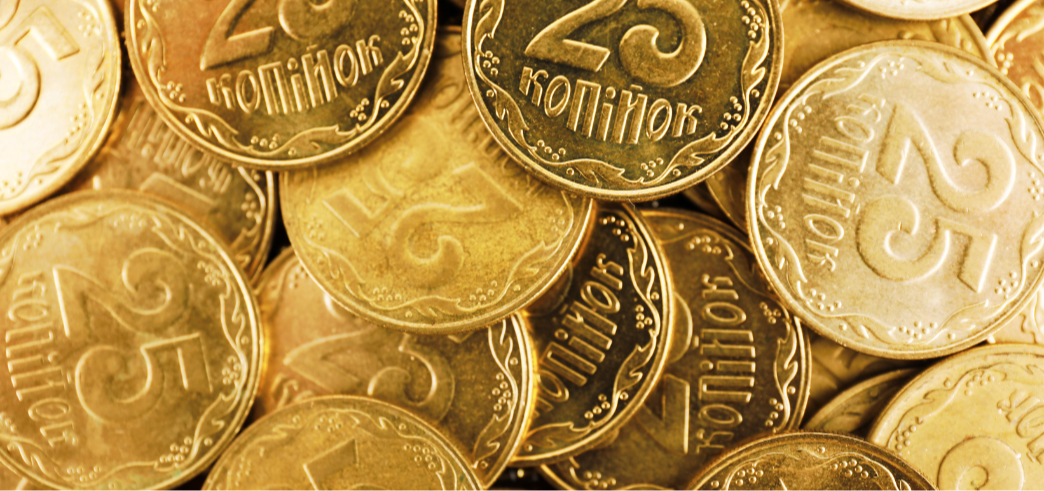
The value on January 1st (reference date) determines how much gold counts toward your assets.
When you inherit gold, you will have to deal with inheritance tax. Gold is part of the estate and is viewed by the tax authorities as an asset. The value of the inherited gold therefore counts toward determining the inheritance tax you may have to pay.
The value of the gold is determined as of the date of the deceased's passing. This is based on the market value of the gold at that moment, usually based on:
As with the annual tax return, any collector's value usually plays no role unless it is demonstrably higher than the melt value.
The amount of inheritance tax depends on:
Gold is not taxed separately but counts toward the total value of the estate. Depending on the situation, this may result in higher inheritance tax.
After the estate is settled, the gold becomes your property. From that moment on:
If you decide to sell the gold after receiving it, you pay no tax on the capital gains, but the proceeds will count as assets on the next reference date.
Because inheritance tax and Box 3 are two different taxes, it is important to value and record the inherited gold correctly. This prevents disputes with the tax authorities and ensures smooth processing of both the inheritance and subsequent tax returns.
In addition to gold, investors also choose other precious metals such as silver, platinum, and palladium. Fiscally, these metals are treated largely the same as gold, but there are some important differences to keep in mind.
Silver is also classified as an asset by the tax authorities and thus falls under Box 3. As with gold:
The reference value for silver for 01-01-2025 is: 897.50 euro
An important difference is that silver is not VAT-free upon purchase for private individuals. This does not affect the Box 3 tax, but it does affect the total purchase costs. Fiscally, silver then counts as an asset at the market value on the reference date.
Platinum is seen as an investment metal and also falls under Box 3. The value is determined based on:
The reference value for platinum for 01-01-2025 is: 28,790.70 euro
For platinum as well, you pay no income tax on capital gains, but the value counts toward your total assets.
Palladium is treated fiscally the same as platinum. The metal falls under Box 3 and is valued at the market value on January 1st. Due to sometimes strong price fluctuations of palladium, it is extra important to use a well-substantiated valuation around the reference date.
The reference value for palladium for 01-01-2025 is: 28,279.14 euro
Would you like to delve deeper into fiscal questions surrounding precious metals? Please also view our customer service page on income tax and precious metals, where we further explain practical questions.

Press the image to start the video.
Physical gold can play a valuable role within your wealth but also brings fiscal obligations. In the Netherlands, investment gold falls under Box 3 in most cases, where the annual reference value on January 1st is decisive for taxation.
By correctly declaring your gold holdings, you avoid fiscal risks and unexpected corrections afterward. This applies not only to gold but also to other precious metals such as silver, platinum, and palladium. With a good understanding of the rules, you can file your tax return carefully and with confidence.
The Silver Mountain does not provide individual investment advice. This article is intended for informational purposes only. Past performance and described market developments offer no guarantees for the future.
Yes, investment gold must almost always be declared in the tax return in Box 3. This applies to gold bars and investment coins. Only gold that is demonstrably a utilitarian object, such as worn jewelry, is an exception.
The tax authorities use the market value of the gold on January 1st of the tax year. This is usually based on the melt value using the current gold price, weight, and purity of the gold.
No, in the case of a private sale of gold, you do not pay income tax on the profit. However, the sales proceeds count as assets at the next reference date, for example, as savings or newly purchased gold in Box 3.
Yes, that is possible. If your total Box 3 assets remain below the tax-free allowance, you pay no tax, even on gold. The gold must still be declared as part of your assets.
Inherited gold first falls under inheritance tax and is valued as of the date of death. After the inheritance is settled, the gold becomes part of your Box 3 assets and must be reported in the next tax return.
Yes, silver, platinum, and palladium also fall under Box 3 and are taxed as assets. The value on January 1st is decisive. An important difference is that silver is usually not VAT-free upon purchase.
If you do not declare investment gold when you should have, the tax authorities can issue a supplementary assessment. This may be followed by tax interest and, in some cases, a fine. The more serious the violation, the greater the fiscal consequences.
Rolf van Zanten is the founder and owner of The Silver Mountain, a specialist in physical precious metals since 2008. With nearly twenty years of experience in the precious metals trade, Rolf shares his expertise on investing in gold, silver, and platinum in an accessible and reliable way. His knowledge of the international gold and silver markets helps investors make well-informed decisions. In his role as an expert, he strives to ensure that transparency, security, and trust are at the heart of every purchase.

Be the first to discover the latest products and the latest news about precious metals.


 Daan Wesdorp
 Nederlands