
 Buy gold bars
 Buy gold coins
 Series
 Buy silver coins
 Buy silver bars
 Series
 Buy silver collectible coins
 Silver collectible coin series
 Buy gold collectible series
 Gold collectible coin series
 Author:
  Date: 19 December 2025
VAT on Gold: everything you need to know about buying VAT-Free Gold
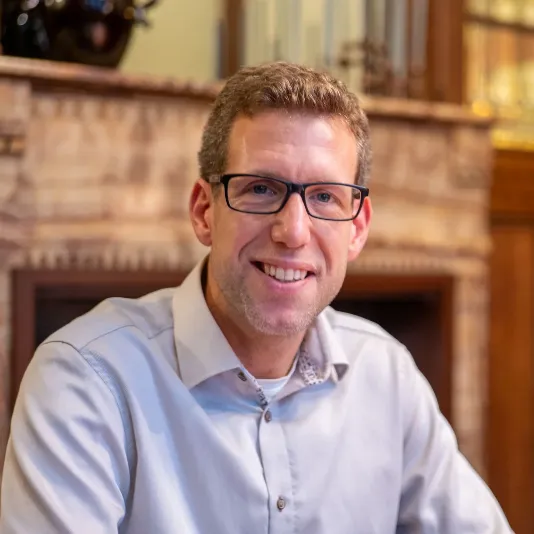 Rolf van Zanten
21 February 2025
In the Netherlands silver is basically subject to 21% VAT, but the actual VAT burden varies greatly by form: silver coins often fall under the margin scheme, silver bars are fully taxed and buying silver without VAT is possible via a customs warehouse. Unlike gold, the VAT rules for silver are complex and often unclear. In particular, the difference between VAT on silver coins and VAT on silver bars raises many questions.
In this article we clearly explain how VAT on silver works, which forms of silver are most fiscally interesting and how you as an investor can make well-informed choices.
Silver is a precious metal with a unique position in the investment world. Where gold is mainly seen as a monetary store of value, silver combines two functions: it is both an investment metal and an indispensable industrial raw material.
This combination makes silver interesting for investors who want to diversify their portfolio.
Like gold, silver is a tangible asset without counterparty risk. It is not dependent on banks, currencies or financial institutions. This makes silver attractive in times of economic uncertainty, high inflation or rising government debt burdens.
Characteristics of silver as a store of value:
Although historically silver has experienced more price fluctuations than gold, many investors deliberately use it as a complement to gold holdings.
An important difference with gold is that silver has a strong industrial component. A large part of the annual silver production is used in sectors such as:
This structural industrial demand provides a fundamental underlying value. At the same time it makes silver more sensitive to economic cycles, which can lead to higher volatility, both upwards and downwards.
Anyone looking to buy silver will almost always end up with two main forms: silver coins and silver bars. Both represent physical silver of high purity, but they differ fundamentally in tradability, VAT treatment, price composition and intended use.
Silver coins are struck by official mints and have a nominal value in the currency of the issuing country.
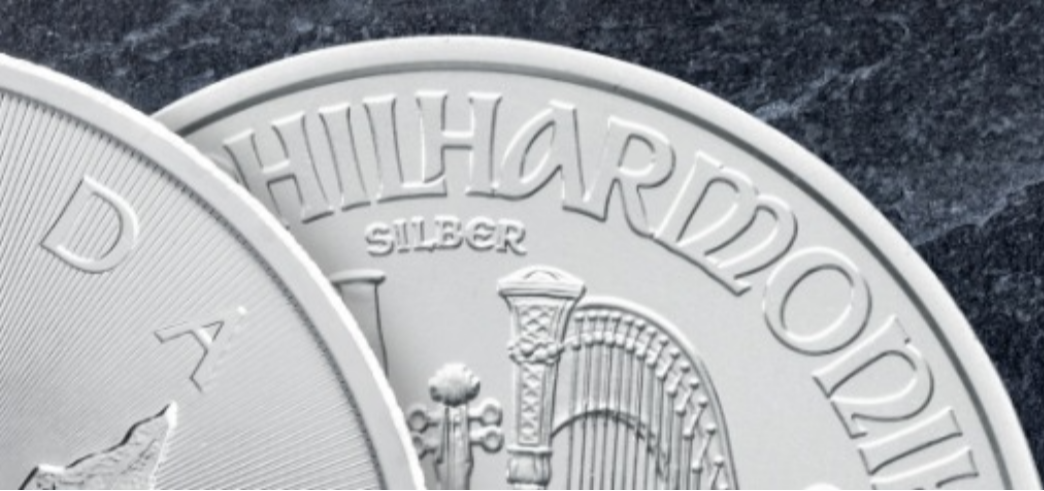
Well-known examples are the Maple Leaf, Philharmoniker, Britannia and Kangaroo. These coins typically have a silver content of 99.9% or 99.99% and are recognised worldwide.
Characteristics of silver coins:
Silver bars are produced by recognised refiners and are available in a variety of weights, ranging from 100 grams to multiple kilograms.
Well-known producers are LBMA-recognised refineries, which guarantee quality and purity.
Characteristics of silver bars:
An important advantage of silver coins is the VAT treatment. Many silver coins are sold under the VAT margin scheme for silver. The main difference lies in VAT on silver bars. Silver bars are fiscally seen as a commodity and almost always fall under the standard VAT rate of 21%.
We explain exactly how this works below.
Silver is subject to VAT because the tax authorities regard it as an industrial raw material, whereas gold is exempt as a financial product (investment gold). In this article you can read more about the VAT rules on gold.
Because silver is indispensable in solar panels, batteries, electronics and the medical industry, it is taxed as a regular good. In the Netherlands this means that, in principle, 21% VAT is charged on silver.
For private investors that VAT is a significant cost factor: the silver price must first rise by 21% before the purchase breaks even. However, there are legal ways to reduce or defer this VAT burden. Below we cover all the rules around silver and VAT.
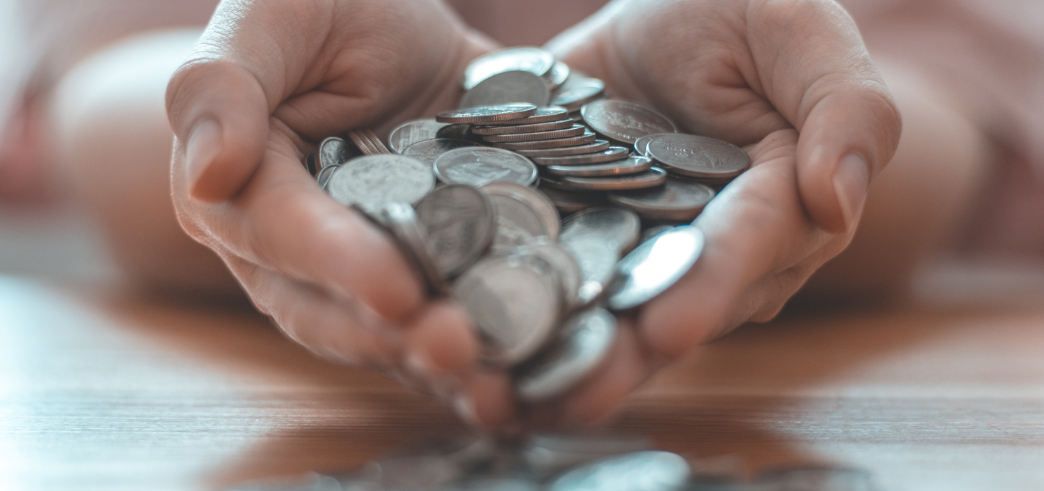
Silver is considered a raw material and therefore 21% VAT is charged.
Anyone who wants to buy silver will almost always encounter VAT; the form in which you buy determines how much. Unlike gold, which is exempt from VAT under certain conditions, silver is regarded as a raw material under European law. Coins, bars or storage in a customs warehouse make a big difference to the final VAT rules.
Many silver coins sold to private investors, particularly pre-owned examples, fall under the margin scheme. This scheme is intended for used goods, including silver coins that have previously been in commercial circulation.
What does this mean in practice?
For private investors this is generally the most VAT-efficient way to buy silver. Although VAT technically applies, it is embedded in the price and is significantly lower than the standard 21% rate.
When are silver coins attractive?
Silver coins are particularly suitable when you:
For these reasons silver coins form the basis of many private investors' silver holdings.
Silver bars are fiscally regarded as raw material and almost always fall under the standard 21% VAT rate. This applies to both cast and minted bars, regardless of weight or producer.
Key characteristics:
For VAT-registered businesses this VAT can often be reclaimed. For private investors this makes silver bars in most cases less attractive, despite the lower premium per gram of silver.
When do silver bars still make sense?
Silver bars can be interesting when:
In combination with a customs warehouse (see below) the VAT situation changes fundamentally.
A customs warehouse is a storage location recognised by customs where goods, including precious metals, may be stored VAT-free. When silver is placed directly in a customs warehouse, no VAT is due at the time of purchase.
Important principles:
Who is buying VAT-free silver suitable for?
Buying VAT-free silver via a customs warehouse is particularly interesting for:
As long as the silver remains in the customs warehouse, there is no VAT burden. VAT becomes due only upon physical delivery to your address or movement outside the warehouse.
Some providers point to storage outside the EU, for example in Switzerland, as a route to avoid VAT. A Dutch customs warehouse achieves the same fiscal effect: no VAT as long as no delivery takes place, without your silver having to cross national borders.
| Form | VAT rule | Benefits |
|---|---|---|
| Silver coins | VAT via margin scheme (factored into the price) | More tax-efficient for private investors, highly tradable and flexible |
| Silver bars | 21% VAT on the full purchase price | Lower premium per gram on larger volumes |
| Silver in bonded warehouse | No VAT as long as physical delivery does not take place | VAT-free purchasing, attractive for larger amounts and long-term storage |
| Investor type | Physical delivery | Vault storage | VAT reclaimable |
|---|---|---|---|
| Private investor | Silver coins (margin scheme) | VAT-free bars in bonded warehouse | No |
| Business (VAT-registered) | Silver bars (21% VAT, reclaimable as input tax) | VAT-free bars in bonded warehouse | Yes, subject to conditions |
Not sure which form suits your situation? Our specialists are happy to think along with you, without providing individual tax advice. Please consult your tax advisor for that.
VAT rules for buying silver are largely determined at the European level. Although individual member states have some policy leeway, the VAT framework for precious metals is essentially set out in European directives.
It is precisely this European harmonization that has led to significant changes for silver investors in recent years.
Within the European Union there is a single common VAT system. That means countries are required to charge VAT according to established categories, including the distinction between:
Gold falls under a special exemption for investment gold in Europe. Silver does not fall under this and is legally regarded as a raw material. As a result, VAT charging on silver is in principle mandatory within all EU member states.
Countries may apply limited exceptions, but structural deviations have been increasingly restricted.
In the past there were significant differences between EU countries in the VAT treatment of silver coins. Some countries, such as Germany, temporarily applied a more favourable VAT regime. This led investors to buy silver across borders to save on VAT.
The European Union has actively reduced these differences in recent years. The aim was to:
The result is that VAT advantages through country-specific constructions have largely disappeared. For investors this means more clarity, but also fewer opportunities to avoid VAT through foreign purchases.
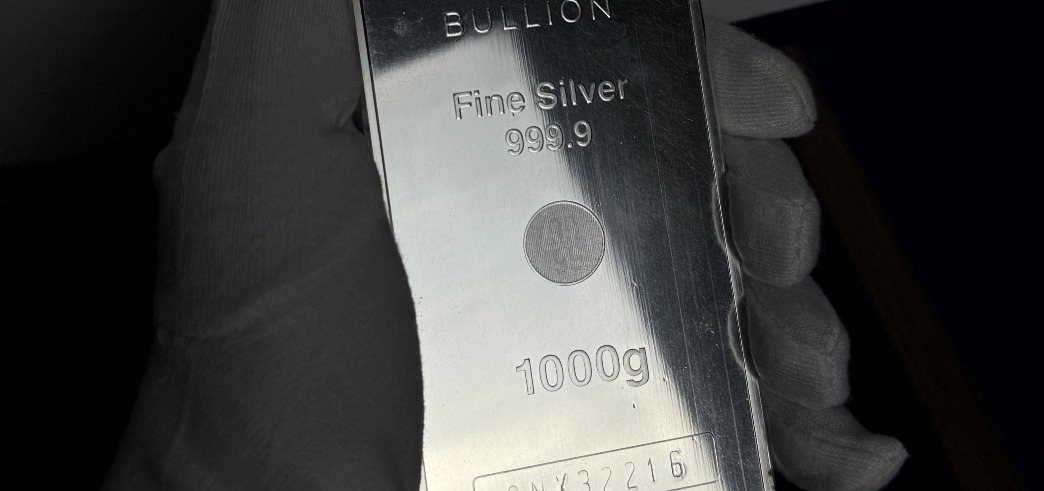
You can buy VAT-free silver by choosing storage in a customs warehouse.
Since the European tightening, the margin scheme no longer applies to newly minted coins from outside the EU; only pre-owned coins still benefit from it. Many investors remember that silver coins always fell under the margin scheme. Why has this changed?
Until recently, dealers could import silver coins via Germany. Germany applied a uniquely low VAT rate (import rate) on silver coins from outside the EU. Dealers imported via Germany and then resold the coins in the Netherlands under the margin scheme.
Don't fixate on the year of a coin. A silver ounce from 2021 contains exactly the same amount of silver as one from 2025, but due to the margin scheme it is often tens of percent cheaper to buy.
For investors who want to buy silver without paying VAT immediately, a customs warehouse offers a fiscally attractive solution. This construction makes it possible to buy and store silver VAT-free as long as the silver is not physically delivered. Especially for larger investments this can make a significant difference in total costs.
A customs warehouse is a storage location recognized by customs where goods are stored under customs supervision. In such a warehouse the charging of VAT and import duties is deferred.
For precious metals like silver this means that no VAT is due at the moment of purchase, as long as the silver remains stored in the warehouse.
Important to understand:
This creates a VAT-neutral situation as long as you choose storage.
The process generally proceeds as follows:
Only when you have the silver physically delivered, for example to your home, is VAT then due at the rate applicable at that time.
The Silver Mountain offers customers the possibility to buy and store silver VAT-free via a recognized customs warehouse. This storage arrangement is intended for investors who primarily view silver as a long-term store of value and want to operate in a fiscally efficient manner.
The Silver Mountain works with specialized storage partners for this, including Edelmetaal Beheer Nederland (EBN). The storage is professionally arranged, fully insured and meets strict security requirements. Customers always retain insight into their holdings and can have the silver delivered or sold on request.
Many investors are put off by 21% VAT on silver, but those who know the rules can greatly reduce that burden. Pre-owned coins under the margin scheme or storage in a customs warehouse make silver fiscally much more attractive. In the video I explain what happens tax-wise during purchase, storage and sale.
Rolf van Zanten - founder The Silver Mountain
When selling silver as a private individual you do not have to remit VAT; you simply receive the agreed amount. An investment is only successful if you achieve a good result when selling. There is often a misconception about silver that you will have to deal with complex tax rules again when selling, or that it is difficult to get rid of your silver. At The Silver Mountain the opposite is true; to give you certainty, we work with a buyback guarantee.
As a private individual you do not need to worry about remitting VAT when you sell your silver.
Note: "VAT-free" does not mean that silver is completely tax-free. Physical silver counts for private individuals as assets in Box 3, meaning the value on the reference date can be relevant for your tax return. See the current reference value for the tax return for this.
We offer a buyback guarantee for all the precious metals that we sell (and often also for precious metals you purchased elsewhere). This means you can always offer your silver back to us via our sister company Inkoop Edelmetaal. We work with transparent bid prices that are linked to the current spot price. Check the silver price today to see what to expect.
Buying silver offers interesting opportunities, but requires understanding the VAT rules. Silver coins are often the most tax-efficient option for private investors thanks to the margin scheme, while silver bars are generally subject to 21% VAT. Investors who invest larger amounts and do not need the silver immediately can buy and store VAT-free silver via a customs bonded warehouse.
The Silver Mountain does not provide individual investment advice. This article is intended for information only. Past results and described market developments do not guarantee future performance.
Yes, buying silver is in principle subject to VAT because silver is considered a commodity within the EU and not a monetary investment vehicle. The actual VAT burden, however, differs by form, such as silver coins, silver bars or storage in a customs bonded warehouse.
Silver coins are usually sold under the margin scheme, where VAT is included in the price and only calculated on the dealer's profit margin. Silver bars are subject to 21% VAT on the full purchase price, which generally makes them less attractive for private individuals.
The margin scheme is a special VAT arrangement whereby the dealer only pays VAT on his margin and not on the full sale price. For private investors, this means the effective VAT is lower and is not listed separately on the invoice.
In a customs bonded warehouse the silver is stored directly under customs supervision and is not physically delivered. As long as the silver remains in the warehouse, no VAT is due. VAT is only charged upon physical delivery.
Buying VAT-free silver via a customs bonded warehouse is mainly attractive for private investors with larger investment amounts and a long-term investment horizon. Those who value flexibility or immediate delivery are often better off with silver coins under the margin scheme.
Only VAT-liable companies can in some cases reclaim the VAT on silver bars. For private investors, VAT is a cost, which makes the choice for silver coins or VAT-free storage an important factor in tax-efficient investing.
Yes, buying silver without VAT is possible by having the silver stored immediately upon purchase in a customs bonded warehouse; as long as there is no physical delivery, no VAT is due. Also, pre-owned coins under the margin scheme often carry a significantly lower VAT burden. Note: VAT-free is not the same as tax-free (Box 3).
Rolf van Zanten is the founder and owner of The Silver Mountain, a specialist in physical precious metals since 2008. With nearly twenty years of experience in the precious metals trade, Rolf shares his expertise on investing in gold, silver, and platinum in an accessible and reliable way. His knowledge of the international gold and silver markets helps investors make well-informed decisions. In his role as an expert, he strives to ensure that transparency, security, and trust are at the heart of every purchase.

Be the first to discover the latest products and the latest news about precious metals.


 Daan Wesdorp
 Nederlands