
 Buy gold bars
 Buy gold coins
 Series
 Buy silver coins
 Buy silver bars
 Series
 Buy silver collectible coins
 Silver collectible coin series
 Buy gold collectible series
 Gold collectible coin series
 Author:
  Date: 15 May 2020
Store gold safely
 Rolf van Zanten
26 February 2025
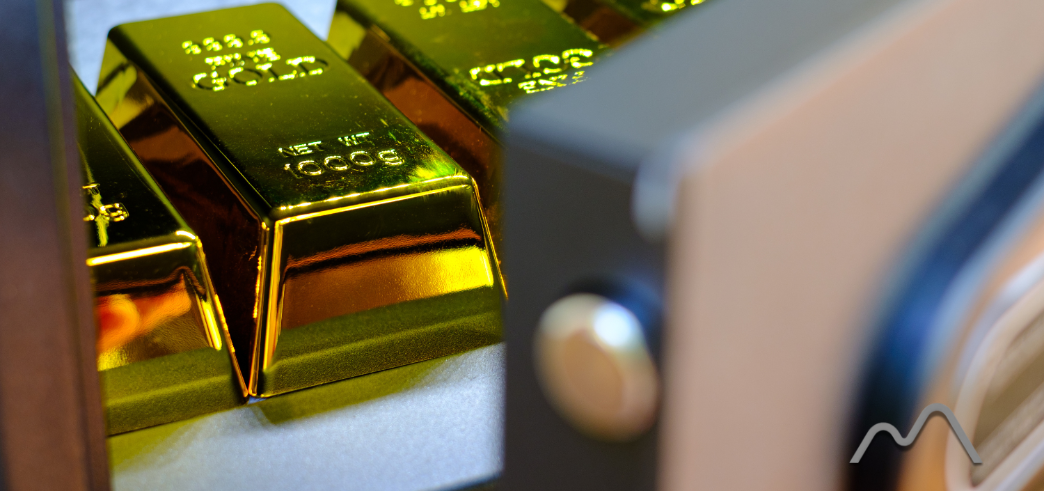
Safely storing physical gold and silver is an important part of any precious metal investment. These metals represent significant value, are compact and are globally recognised as reliable instruments for wealth preservation. That is precisely why it is important to carefully consider where and how you store your gold and silver.
In this article, you will learn which storage options exist, what to consider, and how to protect your precious metals in the best possible way. We compare options such as home storage, bank safe deposit boxes and professional vault storage.
Storing gold and silver securely is essential to protect the value of your investment. Physical precious metals are compact, valuable and easy to transport. While that makes them ideal for preserving wealth, it also means they are vulnerable if not stored properly.
One of the biggest risks is theft. Precious metals are not registered to an owner and are difficult to trace, which makes them relatively easy to sell after being stolen. Fire and water damage are additional risks. Although gold and silver do not burn, extreme heat, smoke or extinguishing water can damage packaging, certificates or even deform bullion.
Insurance is another key concern. Standard home contents policies often exclude cash-equivalent assets such as precious metals, meaning insufficient storage security can directly lead to financial loss. Lastly, improper handling may result in reduced value. Scratches, fingerprints, moisture exposure and oxidation can impair the condition of coins or bars. A good storage solution protects against both external threats and long-term wear.
Safe storage helps protect against:
There are several ways to store physical gold and silver, each with different levels of security, accessibility and insurance. The best solution depends on your holdings, the level of control you want and the risks you are willing to accept.
Some investors prefer direct access by storing their metals at home. Others prioritise the security of a bank safe deposit box or the comprehensive protection of professional vault storage.
Home storage is a popular first choice for many investors. You retain full control, are not dependent on opening hours and can access your gold or silver whenever you wish. However, home storage carries specific risks that must be mitigated properly.
The foundation of secure home storage is a high-quality safe. Burglary-resistant safes are rated using standards such as RC2, RC3 or RC4. Higher ratings offer increased resistance to forced entry with commonly used tools.
For precious metals, RC2 is the minimum recommended, while RC3 offers substantially better protection.
Install the safe in a discreet, non-obvious location, not in areas burglars check first, such as bedrooms or home offices. A securely anchored safe is strongly recommended; if it cannot be removed, the risk of theft drops significantly.
Gold and silver are dense metals but sensitive to environmental conditions. Always store coins and bars in their original packaging, capsules or tubes to prevent scratches, fingerprints or oxidation. This is particularly important for Proof coins and numismatic coins.
Consider the following:
Certificates and purchase documentation should also be protected from moisture or fading.
Standard home contents insurance rarely covers cash-equivalent assets like precious metals. This means theft or damage often won't be reimbursed. If you want to store metals at home, ask your insurer explicitly for additional coverage and confirm that your safe meets the required certification.
Without specific insurance, home storage remains a risk, especially for larger amounts.
Home storage is most suitable for:
For larger holdings, professional vault storage is usually safer, easier to insure and more practical.

Want to store gold or silver at home? Always choose a safe with at least RC2 certification.
A bank safe deposit box offers a secure and relatively accessible storage solution. For many investors, it is a middle ground between home storage and professional vaulting of silver or gold. You benefit from the bank’s high level of security without the full cost of specialist storage.
However, there are important considerations regarding insurance, accessibility and environmental suitability.
Banks are equipped with extensive security systems, including surveillance, alarms, reinforced vaults and controlled access. A bank safe deposit box is generally far more secure than an average home setup, even with a good safe.
Benefits include:
However, banks are not specialised bullion storage providers. Vaults are designed for general valuables and may not offer controlled environments optimal for precious metals.
A key point: bank safe deposit boxes are not automatically insured. In many cases, you must arrange insurance yourself, and coverage limits vary widely.
Before renting a box, ask:
For large holdings, bank insurance is usually insufficient compared to specialised vaults.
Access is restricted to opening hours and sometimes requires an appointment. Bank closures, security incidents or holidays can further limit access.
While banks usually offer stable temperatures, they are not climate-controlled for precious metals. Coins and bars must therefore remain in original packaging and protected from moisture.
Availability is decreasing as more banks discontinue safe deposit services, leading to waiting lists and limited locations.
A bank box is ideal if:
For higher values, or if full insurance and specialist handling are priorities, professional vault storage is superior.
For many investors, professional storage is the safest and most worry-free way to store precious metals. This type of storage is specifically designed for bullion and offers security, insurance and administrative precision that cannot be matched at home or in a bank. For medium to large holdings, it is usually the most logical choice.
Professional precious metal storage takes place in specialised high-security vaults where allocated storage, full insurance and individual registration are standard. The Silver Mountain offers this service through Edelmetaal Beheer Nederland (EBN), a sister company fully dedicated to secure bullion storage.
Your gold and silver are:
This provides maximum certainty and protection.
Professional vaults use multi-layered security: biometric access, 24/7 surveillance, vibration detection, armed response and vault structures engineered to withstand prolonged attacks.
Unlike bank vaults, these facilities offer climate-controlled, dust-free and moisture-free environments, ideal for long-term preservation of bullion.
Whereas home and bank insurance have limitations, EBN provides full and immediate coverage for all relevant risks. You also receive periodic statements for transparency and verification.
The Silver Mountain offers storage in the Netherlands or Switzerland via Loomis International, a global leader in secure vaulting and bullion logistics.
Advantages of Switzerland:
This flexibility allows you to choose storage based on personal preference or tax strategy.
Although vault storage is not designed for everyday visits, access can be arranged by appointment. The Silver Mountain also offers insured logistics for delivery or retrieval, including discreet courier services and identity verification.
Professional storage is ideal if you:
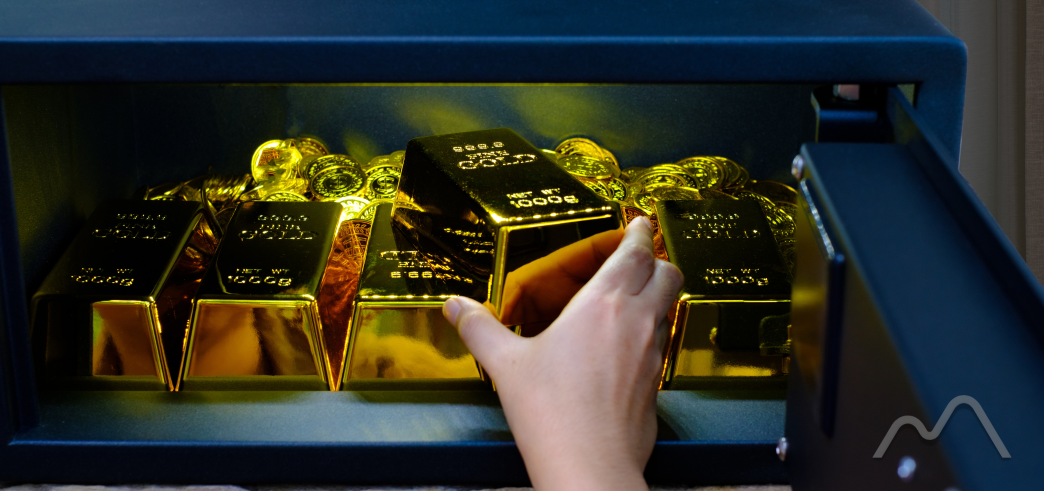
You can keep silver and gold at home, store it in a bank safe or use professional storage with Edelmetaal Beheer Nederland.
| Storage option | Security | Insurance | Accessibility | Costs | Suitable for |
|---|---|---|---|---|---|
| Home | Medium, depends on safe | Often limited / not included | Immediate | One-time safe + optional insurance | Small to medium holdings |
| Bank safe deposit box | Good | Varies by bank | Limited to opening hours | Low to medium | Medium holdings |
| Professional storage | Very high | 100% insured | By appointment | Ongoing storage fee | High-value holdings, maximum security |
A secure storage strategy requires careful preparation. Use this checklist to protect your precious metals from theft, damage and loss of value:
Safe storage of gold and silver requires deliberate choices. Home storage offers direct access, bank safe deposit boxes provide basic security, and professional vault storage delivers maximum protection and insurance. The best option depends on the value of your holdings, desired level of control and risk tolerance.
By evaluating the options carefully and considering security and insurance, you can protect your precious metals effectively for the long term.
The Silver Mountain does not provide individual investment advice. This article is for informational purposes only. Past performance and the market developments described do not guarantee future results.
The safest place depends on the value and your risk tolerance. Home storage can be suitable with a certified safe, but for larger holdings a bank safe deposit box or professional vault storage is recommended. Professional storage offers full insurance and the highest security standards.
Yes, bank vaults are highly secure. However, insurance is often limited and access is restricted to opening hours. Banks do not offer specialist climate-controlled environments for precious metals, making them less suitable for high-value or long-term storage.
Silver must be protected from air and moisture because it tarnishes more quickly than gold. Keep coins and bars in capsules or original packaging, preferably in a dry, stable environment. For optimal protection, professional vault storage offers controlled conditions and full insurance.
Professional storage in a specialised bullion vault is the safest method. These facilities offer climate control, advanced security systems and full insurance. Home storage is possible but requires a high-quality fire- and burglary-resistant safe.
Yes, you can store them together as long as they are properly packaged to prevent scratches and moisture exposure. Professional storage facilities register both metals individually to ensure clear ownership and traceability.
Professional storage is recommended if you hold larger amounts, prioritise insurance and security, or want discretion. Home storage often lacks insurance coverage and remains vulnerable despite good safes. Professional storage includes climate control, 24/7 monitoring and full liability cover.
Rolf van Zanten is the founder and owner of The Silver Mountain, a specialist in physical precious metals since 2008. With nearly twenty years of experience in the precious metals trade, Rolf shares his expertise on investing in gold, silver, and platinum in an accessible and reliable way. His knowledge of the international gold and silver markets helps investors make well-informed decisions. In his role as an expert, he strives to ensure that transparency, security, and trust are at the heart of every purchase.

Be the first to discover the latest products and the latest news about precious metals.



 Nederlands