
 Buy gold bars
 Buy gold coins
 Series
 Buy silver coins
 Buy silver bars
 Series
 Buy silver collectible coins
 Silver collectible coin series
 Buy gold collectible series
 Gold collectible coin series
 Author:
  Date: 4 December 2024
How do milk stains and other discolourations on silver occur?
 Rolf van Zanten
27 February 2025
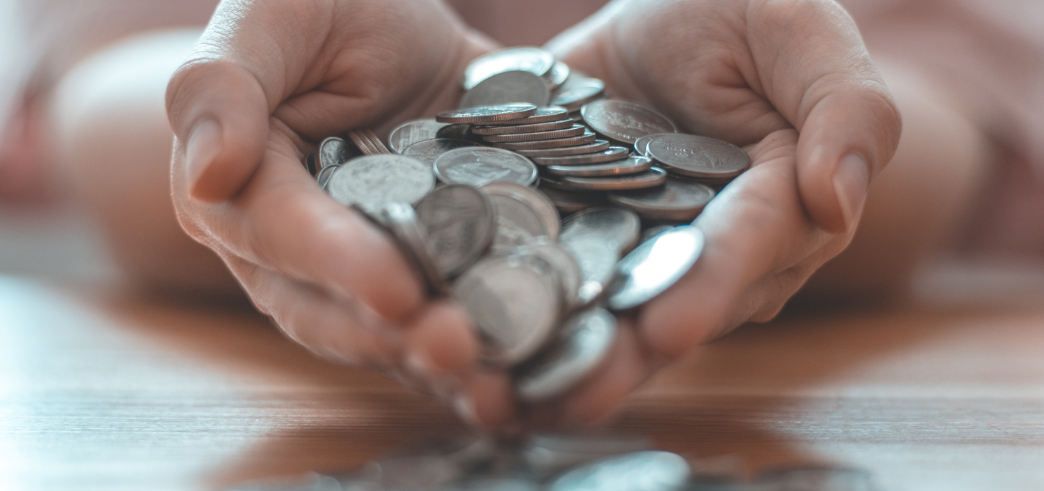
Silver coins can become dull over time due to oxidation, skin oils or dust. Many collectors and investors therefore wonder how to clean silver coins without damaging them or reducing their value. In this article, you will learn exactly when cleaning is advisable, which methods are safe, and what you should avoid.
We explain the best cleaning techniques for both bullion coins and numismatic collector coins.
Important: Cleaning silver coins is never required. Light discoloration or small spots do not affect the buy-back price at The Silver Mountain.
Not every silver coin needs, or should, be cleaned. Cleaning is only useful when dirt or residue affects a coin’s appearance or usability. For some types of coins, however, cleaning can cause damage or lower the value. Below we explain what is advisable for each category.
Silver bullion coins, such as the Maple Leaf and Philharmoniker, are traded based on silver content and the current market price. Light discoloration or natural patina does not affect the buy-back value.
Cleaning is possible, but usually unnecessary. Clean only if the dirt is truly bothersome, and always use mild, non-abrasive methods.
For antique or rare silver coins, cleaning can significantly reduce numismatic value. Patina is often part of the historical character and is seen by collectors as authentic. Avoid cleaning these coins yourself.
If a coin is heavily soiled, have it assessed by a specialist who can determine the proper conservation method.
Proof coins have a mirror-like finish that is extremely sensitive to scratches and marks. These coins should remain in their capsules and only be handled with gloves.
Cleaning proof coins is almost never safe and can cause immediate, visible damage. Store them sealed, dry and dust-free, without removing them from their capsule.
Below is the safest method for cleaning silver coins, presented in four clear steps:
Always start by removing loose particles. These can cause scratches during handling, even if you are very careful.
Safe approach:
This step removes dust, sand particles and surface contaminants. If this already achieves the desired result, deeper cleaning may not be necessary.
For stubborn tarnish, fingerprints or dark spots, a solution of distilled water with a few drops of ammonia can be effective. The goal is to dissolve residue without affecting the silver itself.
You will need:
Procedure:
Caution: Never use pure ammonia. Too high a concentration can damage the silver and the finish.
Removing ammonia residue is an important part of the cleaning process. Residue left behind may damage the finish over time.
Safe rinsing:
Distilled water prevents mineral stains or marks that tap water can leave behind.
Moisture is a major cause of oxidation. Ensure the coin is completely dry before storing it. Recommended method:
Once the coin is 100% dry, place it directly into a capsule or other protective storage system.
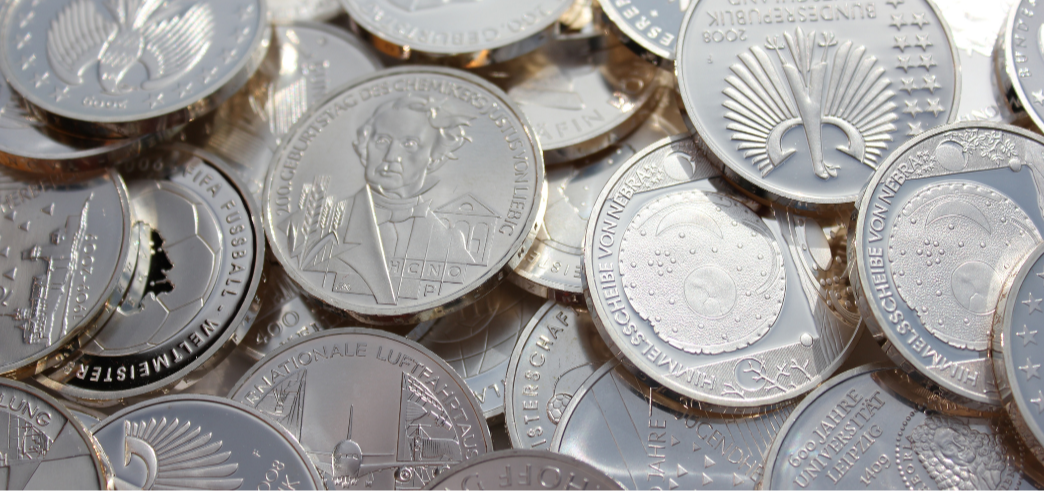
For collector and proof coins, cleaning can cause damage or loss of value.
Cleaning silver coins requires caution. Many popular “home remedies” found online cause permanent damage. They can alter the surface, produce micro-scratches or immediately reduce the value (especially for collector coins). Always avoid the following practices.
Silver polish is meant for cutlery, not coins. It is abrasive and removes a thin layer of metal, softening details. It also produces an unnatural shine. For collector coins, this is considered damage and drastically lowers value.
Rubbing causes microscopic scratches, even when the material seems soft. Paper towels contain wood fibres that leave deep hairlines. These scratches may be subtle but are instantly recognised by professionals, especially on proof or numismatic coins.
Many household products are recommended online but are harmful to silver:
Polishing removes a layer of silver and permanently alters the surface. The coin develops an unnatural mirror shine and loses original depth and detail. This is a common cause of value loss for collector pieces. Polishing is suitable only for objects without collector value, never for coins.
Rubbing with a towel or paper leads to scratches and streaks. Fingerprints can chemically etch into the silver and are difficult to remove later. Always use cotton gloves and place coins on a soft, lint-free surface.
Some cleaning methods may seem harmless but can cause permanent damage. Ultrasonic cleaning can cause vibration damage to proof coins, antique coins or coins with special finishes.
Aluminium-foil baking-soda electrolysis alters the surface layer and creates an unnatural shine, reducing value.
Long soaking in tap water is also unsafe due to minerals that leave stains. Always use distilled water and apply safe, mild methods.
Even after careful cleaning, silver coins can become dull over time due to natural factors such as humidity, skin oils and light oxidation. By storing and handling your coins correctly, you preserve their appearance and prevent new tarnish.
Below are simple but highly effective measures to keep silver coins in optimal condition.
Cleaning silver coins can be safe and effective, provided you use mild methods and avoid abrasive or aggressive products. For bullion coins, cleaning is generally acceptable, but for collector and proof coins, extreme caution is required to avoid damage and loss of value.
By storing coins carefully, handling them only with gloves and using distilled water, you preserve the silver’s condition and maintain long-term quality.
Finally, small spots or discoloration do not affect the buy-back guarantee.
The Silver Mountain does not provide individual investment advice. This article is for informational purposes only. Past results and described market developments offer no guarantees for the future.
Yes, if you use mild methods. A soft brush, distilled water and a light ammonia bath are safe for standard bullion coins. Avoid abrasive cleaners, silver polish and acids, as these damage the surface. Proof and collector coins should not be cleaned by owners.
The safest method is soaking in distilled water, followed by a light ammonia bath with only a few drops added. This removes tarnish without damaging the silver. Rinse thoroughly and dry completely with minimal friction to prevent new oxidation.
No. For bullion coins, discoloration is normal and does not affect the buy-back price. Oxidation occurs even in good storage conditions. For numismatic coins, discoloration may affect value, so clean only when absolutely necessary.
Avoid silver polish, metal polish, toothpaste, baking soda, vinegar, lemon, cola, chlorine and other aggressive substances. They cause scratches or chemical damage. Ultrasonic cleaning without expert advice is also risky. Use only mild, controlled methods with distilled water.
Self-cleaning is strongly discouraged for old or numismatic coins. Patina and discoloration are part of the coin’s character and often add value. Incorrect cleaning can cause immediate loss of value. Consult a specialist if in doubt.
Store coins dry, dust-free and preferably in capsules. Use cotton gloves, avoid touching the surface, and keep coins away from humid areas. Distilled water prevents mineral stains. With proper storage, the surface remains attractive and oxidation develops much more slowly.
Rolf van Zanten is the founder and owner of The Silver Mountain, a specialist in physical precious metals since 2008. With nearly twenty years of experience in the precious metals trade, Rolf shares his expertise on investing in gold, silver, and platinum in an accessible and reliable way. His knowledge of the international gold and silver markets helps investors make well-informed decisions. In his role as an expert, he strives to ensure that transparency, security, and trust are at the heart of every purchase.

Be the first to discover the latest products and the latest news about precious metals.



 Nederlands