
 Buy gold bars
 Buy gold coins
 Series
 Buy silver coins
 Buy silver bars
 Series
 Buy silver collectible coins
 Silver collectible coin series
 Buy gold collectible series
 Gold collectible coin series
 Author:
  Date: 17 July 2026
Box 3 changes 2028: what does this mean for tax on your gold and silver?
 Rolf van Zanten
5 March 2026
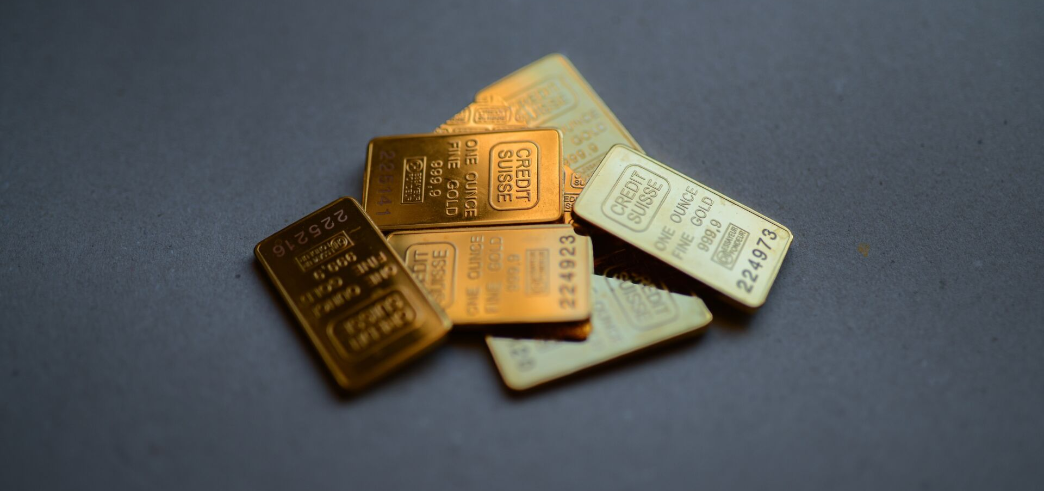
Gifting precious metals works the same tax-wise as gifting money: the same exemptions and rates apply, whether you transfer an amount or hand over a gold bar. The practice is different, though. With precious metals you must determine the value on the date of transfer yourself, the transfer is physical, and there are strategic choices that do not arise when gifting money.
In this article we specifically address what is involved when you gift gold, silver or platinum: how to determine the value in practice, which strategies are tax-efficient, and what to watch out for to avoid surprises for you or the recipient later.
The value of gifted precious metal is the market value at the time of the gift. In practice this means you must record the spot price, the weight and the purity of the item on the date of transfer.
For the full legal explanation of this concept we refer to the overview of gift tax exemptions; below are the practical steps.
Would you like an indication of the current value in advance? The prices on our pages for the buying of physical gold, physical silver and platinum provide a current, market-based reference point, even if you are not selling but only want to determine the value of a proposed gift.
Both are possible, with different practical consequences. A direct gift of coins or bars preserves the physical item for the recipient; selling and gifting the cash amount makes valuation and any tax payment simpler.
| Approach | Advantage | Key consideration |
|---|---|---|
| Gifting metal directly | Recipient retains the physical product; no selling and repurchase costs | Market value must be substantiated; recipient may lack liquidity for potential gift tax |
| Selling first, then gifting cash | Value and tax liability are straightforward to determine; tax can be settled directly from the funds | Recipient does not receive the original asset; timing of the sale impacts proceeds |
| Combination of metal and cash | Recipient retains precious metals and has liquidity available for any tax liabilities | Metal and cash combined count toward the total taxable gift |
If gift tax is due, the recipient may not have cash available to pay it, and may have to sell the entire item to meet part of the tax. Smaller denominations or a combination of metal and cash prevent that.
Those who want to transfer precious metals without paying unnecessary tax can combine a number of tried-and-tested gifting strategies with the physical properties of gold, silver and platinum.
Below are the four most commonly used approaches, from spreading gifts annually to smartly using the one-time increased exemption.
The annual exemption recurs each calendar year. By, for example, gifting a smaller gold bar or a few silver coins each year up to the exemption threshold, you can build up a substantial amount tax-free for the recipient over several years.
Because precious metals are available in smaller denominations, it is practically easier to stay close to the exemption threshold than with one large gift at once.
For a child between 18 and 40 years old, you can choose the one-time increased exemption in a single year instead of the annual exemption. This can be attractive when you want to transfer a larger amount of precious metal at once, for example on a milestone, rather than spread over several years.
What you have already gifted during your lifetime is no longer part of your estate. Because inheritance tax is progressive, a smaller final estate may be taxed at a lower rate. Of course, it is wise to discuss this with your own notary or financial advisor.
If you as the donor pay the gift tax due, the Tax Authority considers that payment itself as an additional gift. That increases the total taxable acquisition and therefore the final tax amount.

A gift of gold, silver or platinum is treated for tax purposes the same as a gift of money.
In addition to the tax side, a few practical matters also deserve attention, precisely because this concerns a physical and stable-value asset. The points below help you record and arrange the gift so that no uncertainty arises later about ownership, value or the intention of the gift.
A notarial deed is not legally required for movable property such as precious metals, but a private gift agreement with date, product, weight, value and the names of both parties prevents disputes afterwards.
Without this clause, gifted assets may become part of the community property in the event of a future marriage or registered partnership of the recipient. An exclusion clause in the gift agreement ensures that the gifted precious metals remain the recipient's private assets.
The assets are generally managed by the legal representative, usually the parents. If you want to retain influence over when the child can access the precious metals, a guardianship provision can be included in the agreement.
Note a common misconception: gifting to a minor child does not automatically prevent the assets from being included in the parents' Box 3 taxation, because these assets are usually attributed to the parent with custody. The gift tax exemption itself still applies.
Gifted precious metals can be handed over personally, sent insured, or remain in professional storage in the name of the recipient, for example via Edelmetaal Beheer Nederland (EBN). Ensure that the registered owner is actually changed after the gift.
In this construction you do not transfer precious metals physically, but acknowledge a debt via a notarial deed. The recipient then obtains a monetary claim against you equal to the amount at that time, not the metal itself. This construction is less common for physical precious metals; always obtain specific advice on this.
A gift made shortly before the donor's death, within 180 days, can still be included in the estate for inheritance tax. This is particularly relevant for a gift made at an advanced age or during illness.
Gifting precious metals is a good way to transfer tangible wealth to the next generation. For tax purposes it works the same as gifting money, but valuation and physical transfer require a little more care. Always record it in writing to avoid uncertainty, even years later.
Rolf van Zanten - founder The Silver MountainGifting precious metals follows the same exemptions and rates as gifting money; the difference is in the execution. Determine the value carefully on the transfer date, choose consciously between giving directly or selling first, use the annual exemption over multiple years if desired, and put the gift in writing. This way you transfer assets without creating surprises later for you or the recipient.
The Silver Mountain does not provide tax, legal or individual investment advice. This article is intended for information purposes only. For a specific gift, always consult a notary or tax advisor.
Record the date of the gift, the weight and purity of the product, and the spot price on that specific day. This is the value that counts for gift tax, not the original purchase price. Keep this documentation together with the original proof of purchase.
Neither is more tax-advantageous; the allowances and rates remain the same. The difference is practical: gifting directly preserves the physical product, while selling simplifies valuation and any tax payment. The choice depends on your objective and the recipient's liquidity needs.
Yes, the annual exemption applies again each calendar year. Smaller coins or bars make it practically easier to stay close to the exemption threshold each year than with one large gift at once.
If you as the giver pay the due gift tax, the Tax Authorities regard that payment itself as an additional gift. This increases the total taxable acquisition, resulting in a higher final tax amount than if the recipient paid themselves.
No, not automatically. For a minor child, the assets are generally attributed to the parent with custody, not to the child. For an adult grandchild, the assets are registered in the recipient's name. The gift tax exemption still applies in both cases.
Yes, what you have already gifted during your lifetime no longer forms part of your estate. Because inheritance tax is progressive, a smaller estate can be taxed at a lower rate. The precise impact depends on your situation and warrants advice from a tax advisor or notary.
No, a notarial deed is not legally required for movable property such as precious metals. A private gift agreement is generally sufficient, although a notary can provide additional protection, for example with an exclusion clause.
A gift within 180 days before the donor's death can still be included in the estate for inheritance tax purposes. This is particularly relevant for gifts at an advanced age or during illness. If in doubt, consult a notary or tax advisor.
Rolf van Zanten is the founder and owner of The Silver Mountain, a specialist in physical precious metals since 2008. With nearly twenty years of experience in the precious metals trade, Rolf shares his expertise on investing in gold, silver, and platinum in an accessible and reliable way. His knowledge of the international gold and silver markets helps investors make well-informed decisions. In his role as an expert, he strives to ensure that transparency, security, and trust are at the heart of every purchase.

Be the first to discover the latest products and the latest news about precious metals.



 Nederlands