
 Buy gold bars
 Buy gold coins
 Series
 Buy silver coins
 Buy silver bars
 Series
 Buy silver collectible coins
 Silver collectible coin series
 Buy gold collectible series
 Gold collectible coin series
 Author:
  Date: 20 December 2023
The taxation of precious metals: tax rules, VAT & Box 3
 Rolf van Zanten
19 March 2025
Gifting is a common way to transfer wealth to children, family members, or third parties in a tax-efficient manner. Each year, the Dutch Tax and Customs Administration (Belastingdienst) sets exemption limits for gift tax. If a gift stays within these exemptions, the recipient does not have to pay gift tax.
In this article, you will read how gift tax exemptions work, which rules and points of interest apply, and how gifting is implemented in practice.
Additionally, we will specifically address gifting in the form of gold, silver, or other precious metals. This is a form of gifting that is increasingly being considered due to its stability in value.
This article is updated annually based on the guidelines of the Belastingdienst.
Gift tax is the tax that the Belastingdienst may levy when someone receives money, goods, or other assets without providing anything in return.
Legally, a gift occurs as soon as wealth is voluntarily transferred and the recipient is enriched as a result.
In most cases, the recipient of the gift (the donee) is liable for the tax, not the donor. The amount of gift tax depends on:
Not every gift leads to taxation. The Belastingdienst sets annual exemptions, allowing a certain amount to be gifted tax-free.
A gift does not exclusively have to consist of money. Other forms of wealth also fall under gift tax, such as:
For gift tax purposes, the Belastingdienst always looks at the fair market value at the time of the gift.
No gift tax is due when:
If the gift stays within the exemption, gift tax usually does not need to be paid. In some cases, a tax return is still required, for example, when utilizing an increased exemption.
For gifts in kind, such as gifting gold or silver, the same tax principles apply as for a monetary gift. The Belastingdienst assesses:
This means that the current value, not the purchase price, is decisive in determining whether gift tax is due.
When a gift exceeds the exemption, the recipient pays gift tax on the portion above the exemption. The rates depend on the relationship between the donor and recipient as well as the value of the gift.
First, subtract the relevant exemption from the value of the gift. Pay gift tax on the remaining amount according to the table below.
| Relationship to donor | Rate up to €158,669 | Rate above €158,669 |
|---|---|---|
| Partner or (foster/step) child | 10% | 20% |
| Grandchild | 18% | 36% |
| Other persons | 30% | 40% |
If a child receives a gift of €50,000 from a parent in 2026:
In 2026, you may gift various amounts tax-free, depending on the relationship between the donor and the recipient and the type of exemption. Within these limits, the recipient does not have to pay any gift tax.
| Type of gift | Tax-free amount 2026 |
|---|---|
| Annual gift to a child | €6,908 |
| Annual gift to others (e.g. grandchild, friend) | €2,769 |
| One-time increased gift to a child (freely disposable) | €33,129 |
| One-time exemption for expensive study (child aged 18–40) | €69,009 |
These exemptions apply per calendar year and per donor. The one-time increased exemptions may only be used once and instead of the regular annual exemption.
You now know the current gift tax rates applicable in the Netherlands. We will now further explain how this tax works and the laws and regulations regarding making a gift.

Gold, silver and other precious metals are also subject to the gifting tax.
The Belastingdienst sets annual exemptions for gift tax. These exemptions determine the amount you can gift tax-free. If the value of the gift stays within the applicable exemption, the recipient pays no gift tax. If the exemption is exceeded, only the excess is taxed.
The level of the exemption depends on the relationship between the donor and the recipient. The closer the relationship, the higher the exemption. Exemptions apply per calendar year and are reset every year.
Exemptions are intended to:
This allows parents, partners, and others to transfer wealth annually without immediate tax liability.
The Belastingdienst distinguishes between different categories of recipients. Each category has its own exemption amount.
Parents may gift their children a tax-free amount annually. This exemption applies:
When both parents gift, this can (under certain conditions) be combined. The exemption applies to all forms of gifting, including money, goods, or precious metals.
In addition to the annual exemption, a child may, under certain conditions, make use of a one-time increased exemption. Characteristics include:
This arrangement is often used for larger wealth transfers but requires careful documentation.
A significantly higher exemption applies between fiscal partners. Gifts between partners remain completely tax-free up to this limit. This allows for tax-efficient redistribution of wealth within a household.
For gifts to persons who are not a partner or child, such as grandchildren, other family members, or third parties, a lower annual exemption applies. Here, too, only the amount above the exemption is taxed.
The exemption is applied based on the value of the gift. The following applies:
When multiple gifts occur within one calendar year, they are added together. If the total exceeds the exemption, gift tax is due on the excess.
Exemptions for gift tax are not limited to money. The same system applies when gifting:
The Belastingdienst looks at the weight and purity and the current market value on the date of the gift.
This means a gift in precious metals can be entirely tax-free, provided the market value stays within the applicable exemption.
When the value of the gift is higher than the exemption:
It is therefore not the case that the entire gift is taxed, but only the portion above the exemption.
Whether you must file a gift tax return depends not only on the amount of the gift but also on the type of exemption being applied. In many cases, filing is mandatory, even when no gift tax is ultimately due.
The Dutch Tax and Customs Administration (Belastingdienst) maintains clear rules regarding this.
You must file a gift tax return if one or more of the situations below apply.
If you receive a gift that exceeds the applicable exemption, then:
This applies regardless of whether the gift is made in cash or in kind.
When you make use of a one-time increased exemption, filing is always mandatory. Even if:
The Belastingdienst uses the return to record that the increased exemption has been utilized. Without a return, the right to this exemption is forfeited.
In some cases, the Belastingdienst may specifically request a return—for example, if there is lack of clarity regarding the value of the gift, for gifts in kind, or based on signals from previous tax returns. In such cases, you are obliged to file a return, regardless of the amount.
In the following situations, you generally do not need to file a gift tax return:
Note: “Usually” does not mean “always.” When in doubt, filing a return is often wiser than omitting it.
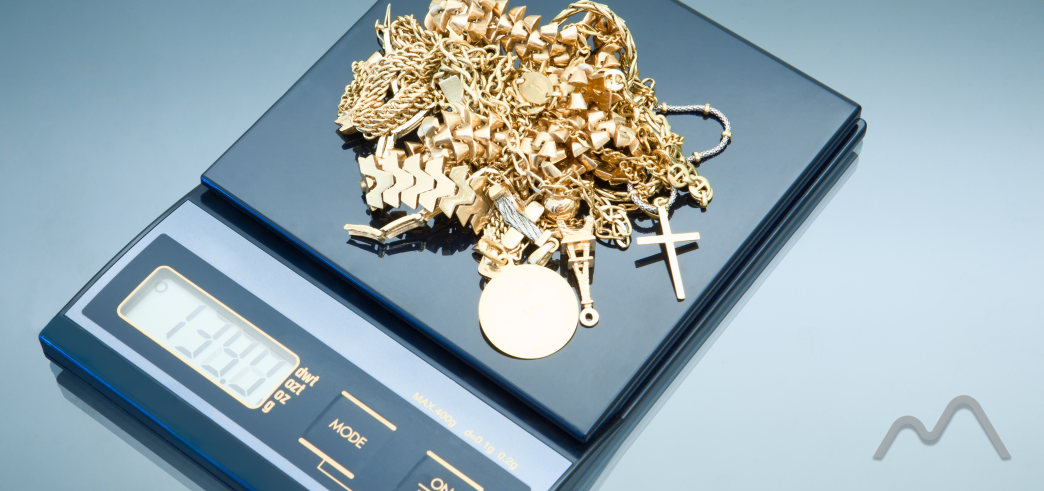
The value of a gift is decided on the market value at the moment of gifting.
A gift does not have to consist solely of money. Physical gold, silver, or other precious metals can also be gifted.
Fiscally, the Belastingdienst (Dutch Tax Authority) treats a gift in precious metals in the same way as a monetary gift. The general rules for gift tax and exemptions are therefore fully applicable.
Those who gift precious metals would do well to study the taxation of precious metals, as valuation and tax assessment differ from monetary gifts.
Yes. Precious metals such as gold and silver are classified by the Belastingdienst as assets. When you transfer these without consideration, it constitutes a gift.
This means that:
As long as the market value stays within the annual or one-time exemption, the gift is completely tax-free.
Would you like to know how to determine the value of gifted gold, silver, or platinum in practice, which tax-efficient gifting strategies are available, and what to consider during the transfer? You can read about this in our in-depth article on gifting precious metals.
Impact on assets and Box 3
A gift counts toward the recipient's assets. This applies to both money and precious metals. The value is included in Box 3 as of January 1st of the following year. Read more about the box 3 annual valuation here.
Consequences for benefits (allowances)
Due to the increased assets, benefits such as healthcare or rent allowance may be reduced or terminated, especially with gifts to (young) adult children.
Relationship with inheritance tax
Gifts reduce the future taxable estate. By gifting in a staggered manner, the inheritance tax due upon death can be limited.
Valuation of gifts in kind
For gold, silver, and other precious metals, the fair market value at the time of gifting applies. Proper documentation prevents disputes.
Importance of careful planning
Exemptions and rules change regularly. The Belastingdienst is always leading; for larger gifts, seeking professional advice is wise.
Those wishing to buy precious metals as part of wealth planning or for gifting purposes should ideally choose a reliable and specialized provider. At The Silver Mountain, we offer a carefully selected range of physical gold, silver, and platinum, exclusively from recognized producers.
Weight, purity, and origin are always transparent, which is essential for valuation and tax documentation. Precious metals can be delivered discreetly and insured or stored securely via Edelmetaal Beheer Nederland.
Gift tax plays an important role in the transfer of wealth. By utilizing annual exemptions and having insight into rates, filing obligations, and tax consequences, you can plan gifts carefully and efficiently.
This applies to both monetary gifts and gifting gold, silver, or other precious metals. Because rules and amounts change annually, up-to-date knowledge is essential. With a well-thought-out approach, gifting can not only save tax but also contribute to structured wealth planning for now and the future.
The Silver Mountain does not provide individual investment advice. This article is intended for information purposes only. Expectations, scenarios, market developments, and past results offer no guarantee for future results.
How much you can gift tax-free depends on your relationship with the recipient. Different annual exemptions apply for children, partners, and other persons. If the gift stays within this limit, the recipient pays no gift tax.
No, a return is not always mandatory. If the gift stays within the annual exemption and no increased exemption is used, a return is usually not necessary. For larger gifts or a one-time increased exemption, a return is mandatory.
Yes, gifting gold, silver, or other precious metals also falls under gift tax. The Belastingdienst looks at the market value at the time of gifting. As long as this value stays within the exemption, no gift tax is due.
The Belastingdienst uses the fair market value on the date of the gift. For money, it is the amount itself; for goods like precious metals, it is the current market value based on weight, purity, and the daily spot price.
If the gift exceeds the exemption, the recipient pays gift tax on the portion above the exemption. The rate depends on the relationship between donor and recipient. Only the excess is taxed, not the full amount.
Yes, a gift increases the recipient's wealth and can therefore influence benefits such as healthcare or rent allowance. This is particularly relevant for gifts to (young) adult children, as wealth thresholds may be exceeded.
Rolf van Zanten is the founder and owner of The Silver Mountain, a specialist in physical precious metals since 2008. With nearly twenty years of experience in the precious metals trade, Rolf shares his expertise on investing in gold, silver, and platinum in an accessible and reliable way. His knowledge of the international gold and silver markets helps investors make well-informed decisions. In his role as an expert, he strives to ensure that transparency, security, and trust are at the heart of every purchase.

Be the first to discover the latest products and the latest news about precious metals.


 Daan Wesdorp
 Nederlands