
 Buy gold bars
 Buy gold coins
 Series
 Buy silver coins
 Buy silver bars
 Series
 Buy silver collectible coins
 Silver collectible coin series
 Buy gold collectible series
 Gold collectible coin series
 Author:
  Date: 21 February 2025
What is investment gold? And does gold jewelry fall under this?
 Rolf van Zanten
21 February 2025
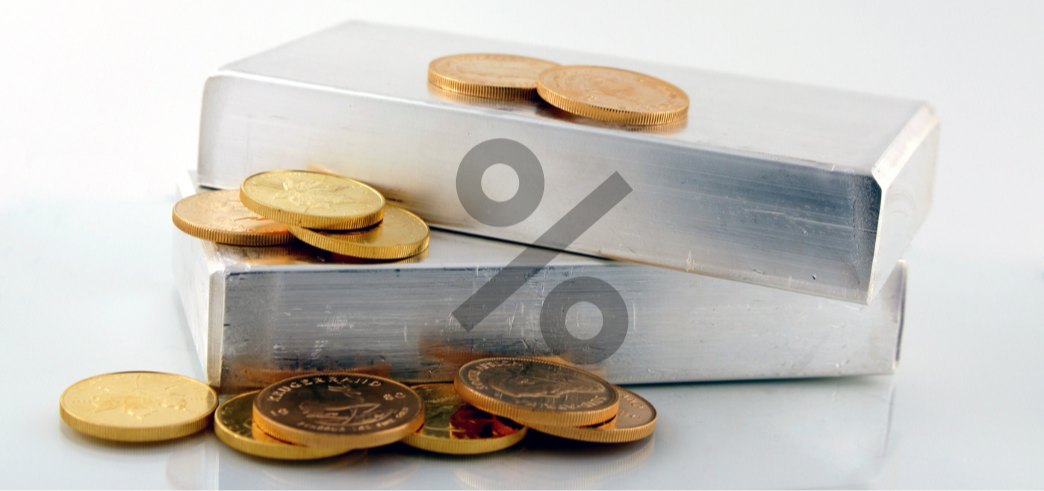
The gold-silver ratio indicates how many troy ounces of silver have the same market value as one troy ounce of gold. The ratio is calculated by dividing the gold price per troy ounce by the silver price per troy ounce. This produces a single number that allows the relative price movement of both precious metals to be compared.
Investors use the ratio to examine whether gold is relatively high or low compared to silver and how the relationship changes over time. However, the ratio is not a predictor and does not prove that either metal is under- or overvalued.
In this article you will read how the gold-silver ratio is calculated, what causes it to rise or fall, and what a high or low ratio can and cannot indicate.
The gold-silver ratio is the price of gold divided by the price of silver and thus indicates the relative market value of the two metals. A ratio of 70 means that 70 troy ounces of silver at that moment have the same spot value as one troy ounce of gold.
Other names include the silver-gold ratio, gold/silver ratio and the English term gold-silver ratio. In financial markets the ratio is sometimes also referred to as XAU/XAG.
The definition in one sentence:
The gold/silver ratio is: the gold price per troy ounce divided by the silver price per troy ounce.
View the current gold/silver ratio here.
The formula for calculating the gold-silver ratio is:
Gold/silver ratio = gold price (per troy ounce) ÷ silver price (per troy ounce)
A troy ounce (oz) is the international standard in precious metals and weighs 31.1035 grams. Because both gold and silver are priced in troy ounces, the ratio is a “pure” comparison between the two metals.
Example:
That means: 1 ounce of gold "costs" 80 ounces of silver.
The gold-silver ratio shows which precious metal is performing relatively stronger or weaker, without only looking at the absolute price level. For example, both prices can rise while the ratio still falls because silver is rising faster than gold.
The ratio therefore helps answer three different questions:
A high ratio is not automatically proof that silver is undervalued. The same result can occur because gold is relatively strong, silver is relatively weak, or both developments happen simultaneously. For a useful analysis, the ratio must therefore always be combined with other market information.
Later in this article we will go deeper into a high or low gold/silver ratio and what this means for investing.
The ratio between gold and silver prices is at the heart of the gold/silver ratio. This ratio not only shows which precious metal is more expensive, but above all how the market values gold and silver relative to each other in different economic conditions.
To properly understand that dynamic, it is important to look at the fundamental differences between the two metals.
Although gold and silver are often mentioned together, they fulfil a distinctly different function in the global economy:
| Characteristic | Gold | Silver |
|---|---|---|
| Primary role | Monetary store of value, reserve | Investment and industrial commodity |
| Main demand | Investors, central banks | Investors plus industry (electronics, solar panels) |
| Volatility | Relatively stable | More volatile, larger swings |
| Effect on the ratio | Pushes the ratio up in uncertain times | Pushes the ratio down during economic growth |
| Price per troy ounce | High | Low |
The ratio between gold and silver prices is not a static figure. It constantly changes due to a combination of factors:
An important advantage of looking at the gold/silver price ratio is that you are not dependent on absolute price levels. Whether gold costs €1,500 or €2,500 per troy ounce, the ratio shows how gold relates to silver.
For investors this means:
This makes the gold/silver ratio a valuable comparative measure within a precious metals portfolio.
In practice it is usually the silver price that causes the ratio to move strongly. Silver experiences larger price swings, both up and down. As a result:
This explains why investors regularly use the silver-gold ratio as an indicator of market sentiment.
Gold and silver differ greatly in availability, but scarcity alone does not determine the ratio. Many times more silver than gold is mined each year, and in the earth's crust silver is roughly seventeen times more common than gold.
Yet the market price does not match that natural ratio. This is because the price is determined by the interaction of supply, demand, investor behavior and industrial uses, not by scarcity alone. A high or low ratio therefore indicates how the market values both metals at that moment, not how scarce they actually are.
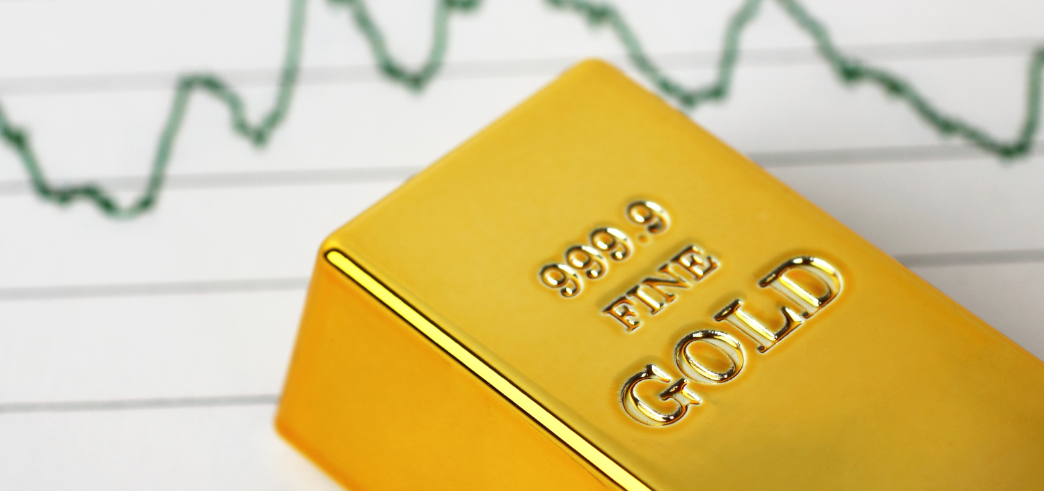
The gold/silver ratio is: the gold price per troy ounce divided by the silver price per troy ounce.
The historical gold-silver ratio primarily shows that there is no timeless equilibrium level. In different periods the ratio was determined by natural availability, monetary systems, legal agreements or free-market prices.
In antiquity, the ratio between gold and silver was largely determined by natural availability. Archaeological and historical sources show that in many civilizations, including those of Egypt, Mesopotamia and the Roman Empire, the gold/silver ratio fluctuated between 10:1 and 15:1.
These ratios reflected:
Historical sources report ratios for various ancient civilizations that were often lower than in the modern free market. These figures are not always directly comparable: weight units, coin purities, local markets and government decisions varied greatly. For the Roman Empire, a ratio around 12:1 is frequently mentioned.
In the Middle Ages, the ratio between gold and silver remained relatively stable. Many European trading states maintained fixed exchange ratios between gold and silver coins.
The historical gold-silver ratio in this period was usually between 12:1 and 14:1.
Important to note:
The ratio was therefore largely politically and monetarily controlled.
In the 19th century, several countries introduced the so-called bimetallic standard, in which gold and silver were officially used side by side as money. The ratio was legally fixed, often around 15:1.
This provided temporary stability, but also had disadvantages:
This period shows that a fixed gold/silver ratio is difficult to maintain in a free market.
With the abandonment of the gold standard and the disappearance of silver as an official means of payment, the gold/silver ratio changed fundamentally. From that moment on the ratio was determined entirely by supply and demand on the global market.
Characteristic of this period:
In the second half of the 20th century the gold to silver price ratio often ranged between 40 and 60, but with notable outliers.
Since gold and silver are no longer linked by the same fixed coin ratio, the ratio moves much more. During the market stress of March 2020 the ratio, according to the Silver Institute, briefly rose above 127, after which it fell sharply later in the year. Source: Silver Institute.
This example shows that extreme ratios can coincide with exceptional market stress. It does not demonstrate that every high ratio is automatically followed by the same price reaction.
A high or low gold-silver ratio simply describes how gold and silver are priced relative to each other at that moment. To judge whether the level is truly exceptional, a relevant historical period must first be chosen.
| Situation | Meaning | Possible context | No evidence for |
|---|---|---|---|
| High ratio | Gold is relatively strong compared to silver | Strong gold, weak silver, or both | That silver will rise soon |
| Low ratio | Silver is relatively strong compared to gold | Strong silver, weak gold, or both | That gold will rise soon |
| Rising ratio | Gold is performing relatively better | Risk aversion or weaker silver demand may play a role | An imminent crisis |
| Falling ratio | Silver is performing relatively better | Industrial demand or greater risk appetite may play a role | Continued silver outperformance |
A high gold-silver ratio means that a relatively large amount of silver is needed to reach the same spot value as one troy ounce of gold. Investors may see this as a reason to investigate silver further, but the ratio does not prove that silver is undervalued or that the ratio is about to fall. In practice this means:
A low gold-silver ratio means that relatively little silver is needed to reach the same spot value as one troy ounce of gold. This can follow a period in which silver performed stronger, but on its own it is not proof that gold is cheap or that the ratio must rise again. This often occurs during periods when:
❌ “Een hoge ratio betekent dat zilver gegarandeerd gaat stijgen”
✔ Nee, het geeft alleen een relatieve waardering weer.
❌ “De ratio keert altijd terug naar een historisch gemiddelde”
✔ Niet per se; gemiddelden verschuiven door structurele veranderingen.
❌ “De ratio is een trading-instrument”
✔ Voor de meeste beleggers is het een strategische indicator, geen daghandels-tool.
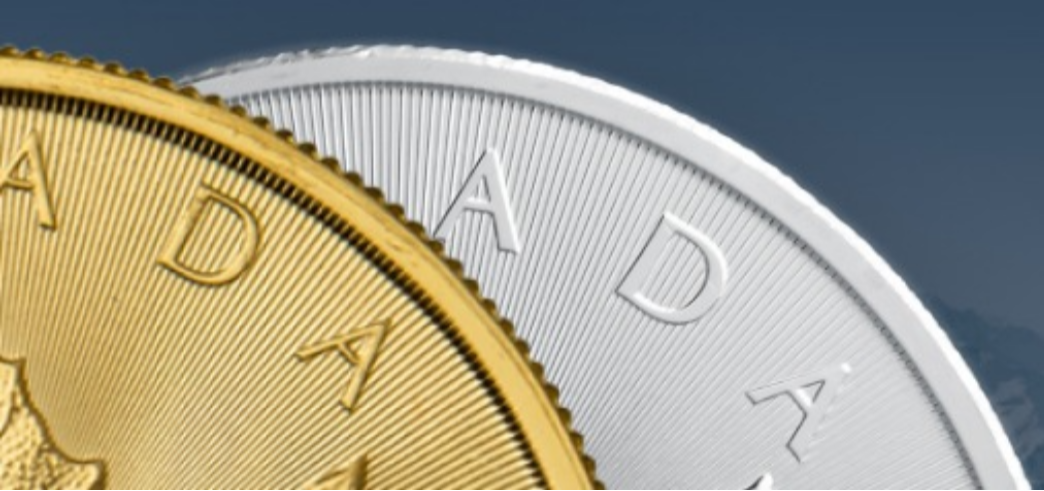
Beleggers gebruiken de goud-zilver ratio onder andere als indicator en om het marktsentiment in te schatten.
De goud-zilver-ratio is vooral nuttig omdat zij u dwingt goud en zilver in samenhang te bekijken. Tegelijkertijd moet u er niet meer zekerheid aan ontlenen dan de verhouding kan bieden. Een hoge ratio zegt niet dat zilver morgen stijgt en een lage ratio zegt niet dat goud goedkoop is. Bij fysiek edelmetaal tellen bovendien de premie, spread, opslag en verhandelbaarheid mee. Gebruik de ratio daarom als context voor een bredere afweging, niet als automatische koopknop.
Rolf van Zanten - goudexpert sinds 2008Investors do not use the gold/silver ratio as an exact predictor, but as a strategic tool to better support decisions.
The ratio helps assess relative value, gauge market sentiment and determine the balance between gold and silver within a portfolio.
Many investors hold both gold and silver to diversify risks. The gold/silver ratio is used to assess whether that allocation is still balanced.
When the ratio is historically high, some investors choose to cautiously increase their exposure to silver. At a low ratio, gold can become more attractive within the portfolio.
The gold/silver ratio is primarily suitable for long-term analysis. Investors look at:
A ratio that deviates from historical averages for an extended period may prompt a reconsideration of strategy, but rarely immediate trading. The ratio therefore serves as a supporting, not guiding, tool.
When making historical comparisons always choose a clear measurement period. An average from the twentieth century, an average since 1970 and an average over the past ten years can differ significantly.
The ratio is often seen as a barometer of confidence or uncertainty in the market:
Investors use this signal to test their expectations against broader economic developments, such as inflation, interest rates and geopolitics.
Instead of asking “Is gold expensive?” or “Is silver cheap?”, experienced investors ask a different question: is gold more expensive than silver, relatively speaking?
The gold/silver ratio makes that comparison possible, independent of absolute price levels. This is especially useful in periods when:
A small group of experienced investors applies so-called ratio-switching strategies. This involves swapping gold for silver (or vice versa) when the ratio reaches extreme values.
Important notes:
For most retail investors this remains a theoretical framework, not daily practice.
The gold/silver ratio is rarely used as the sole tool. Investors often combine it with:
It is at least as important to know what the ratio does not do:
❌ no guarantee of price increase or decrease
❌ not an exact buy or sell timer
❌ not a replacement for a broader investment strategy
The gold-silver ratio shows how many troy ounces of silver have the same spot value as one troy ounce of gold, thereby making the relative price movements of both metals clear.
A rising ratio means gold is performing relatively better; a falling ratio means silver is performing relatively better. However, the ratio does not automatically explain why that movement occurs and does not predict which price will rise or fall next.
Therefore use the ratio in combination with the separate gold and silver prices, market developments, product costs and your own objectives. For physical investors, the premium, spread, storage and buyback terms are especially important. This keeps the gold-silver ratio a useful analytical framework, without making it an exact timing instrument.
The Silver Mountain does not provide individual investment advice. This article is for information purposes only and does not constitute a recommendation to buy, sell or exchange gold or silver. Historical relationships and described market patterns do not guarantee future price developments.
The gold/silver ratio indicates how many ounces of silver are needed to buy one ounce of gold. The ratio is calculated by dividing the gold price per troy ounce by the silver price per troy ounce and shows the relative valuation between the two metals.
A high gold/silver ratio means that gold is relatively expensive compared to silver, or that silver is relatively cheap. This often occurs in times of economic uncertainty, when investors prefer gold as a safe haven.
A low gold/silver ratio means that silver is relatively expensive compared to gold. This often happens during periods of economic growth, when industrial demand for silver increases and investors are more willing to take risks.
There is no fixed or "normal" gold/silver ratio. Historically, the long-term average is around 60, but the ratio experiences large fluctuations. Economic conditions and structural market changes determine what is high or low at any given time.
Investors mainly use the gold/silver ratio as a strategic tool. The ratio helps assess the balance between gold and silver within a portfolio, but it is not an exact buy or sell signal and not a timing instrument.
Yes, the gold/silver ratio changes continuously. Because both the gold price and the silver price are constantly moving on the global market, the ratio can change several times a day, depending on market sentiment, economic data and geopolitical developments.
The gold/silver ratio is a useful indicator of relative value and market sentiment, but not a predictor. Historical patterns provide context but do not guarantee outcomes. The ratio works best in combination with fundamental analysis and a long-term perspective.
Rolf van Zanten is the founder and owner of The Silver Mountain, a specialist in physical precious metals since 2008. With nearly twenty years of experience in the precious metals trade, Rolf shares his expertise on investing in gold, silver, and platinum in an accessible and reliable way. His knowledge of the international gold and silver markets helps investors make well-informed decisions. In his role as an expert, he strives to ensure that transparency, security, and trust are at the heart of every purchase.

Be the first to discover the latest products and the latest news about precious metals.


 Daan Wesdorp
 Nederlands