
 Buy gold bars
 Buy gold coins
 Series
 Buy silver coins
 Buy silver bars
 Series
 Buy silver collectible coins
 Silver collectible coin series
 Buy gold collectible series
 Gold collectible coin series
 Author:
  Date: 31 March 2023
Gold price forecast 2026: scenarios, opportunities and analysis
 Rolf van Zanten
11 December 2025
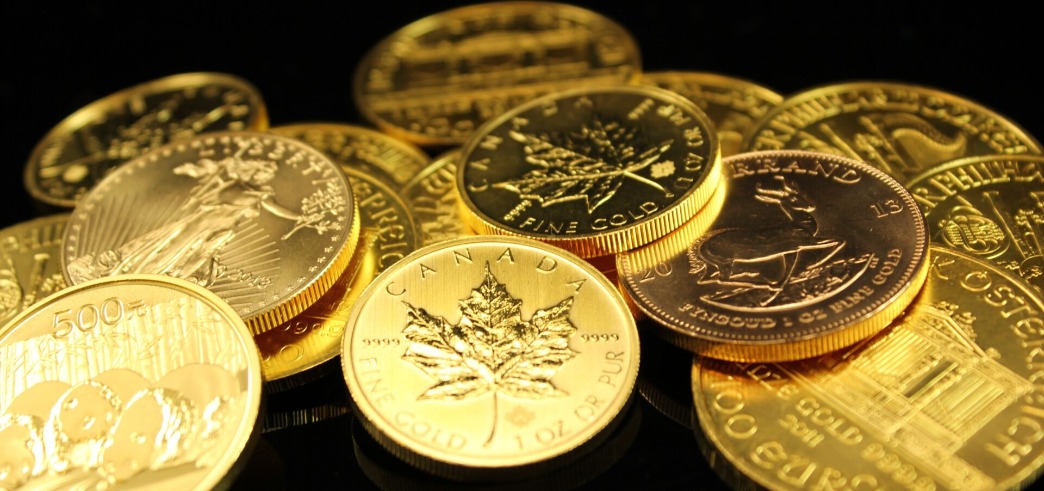
Over the past three decades, the gold market has undergone a significant transformation. Analyzing the gold returns over the last 30 years reveals that the structure and dynamics of global demand have evolved profoundly. Using data from the World Gold Council and other authoritative sources, this article examines the key trends and price developments since the 1990s.
In the early 1990s, the gold market was dominated by the jewelry industry. While jewelry remains the largest component of global demand today, the market structure changed significantly with the introduction of gold ETFs around 2003 and the impact of the 2008 financial crisis.
These events led to a re-evaluation of physical gold among both private and institutional investors. Gold serves as an asset with no counterparty risk. A characteristic that becomes increasingly relevant when confidence in the financial system is under pressure.
The market for physical investment gold was relatively modest in the 1990s compared to its current scale. A major catalyst for the European market was the 1999 exemption of Value Added Tax (VAT) on investment gold across the European Union.
This made it significantly more attractive for private individuals to acquire gold bars and gold coins as a component of their long-term wealth.
The table below shows the average gold price per troy ounce over the past three decades. These figures, based on LBMA averages, illustrate how the price recovered from a low point around the turn of the millennium to its current levels in 2026.
| Year | Avg. price per troy ounce (USD) | Context |
|---|---|---|
| 1996 | ~$388 | Sideways market prior to bull run |
| 2000 | ~$279 | Historical low point for the gold price |
| 2003 | ~$363 | Start of a long-term upward trend |
| 2005 | ~$445 | Increasing investor interest |
| 2008 | ~$872 | Financial crisis and flight to safety |
| 2010 | ~$1.225 | Aftermath of crisis and monetary policy |
| 2015 | ~$1.160 | Correction and consolidation phase |
| 2020 | ~$1.770 | Covid-19 crisis and strong demand for safety |
| 2023 | ~$1.940 | New upward trend toward record levels |
| 2025 | ~$2.250 | Higher inflation and central bank demand |
| 2026 | N/A (Yearly average pending) | Spot price near record highs (~$4.700+) |
One of the most striking trends of the past 30 years is the shift in demand toward the East. In the 1990s, it was very difficult for private citizens in China to own gold. Since the liberalization of the market and the establishment of the Shanghai Gold Exchange (SGE) in 2002, demand from this region has surged.
Together with India, China is now responsible for nearly 50% of the global demand for physical gold, driven by both cultural traditions and increasing wealth in these emerging economies.
Since the low point in 2000, gold has demonstrated a clear upward trend. While gold did not provide direct protection against inflation in every specific period, the precious metal has shown a significant overall increase in USD over the past 30 years.
For European investors, the exchange rate also plays a crucial role; fluctuations in the EUR/USD ratio have often favorably impacted returns for holders within the Eurozone.
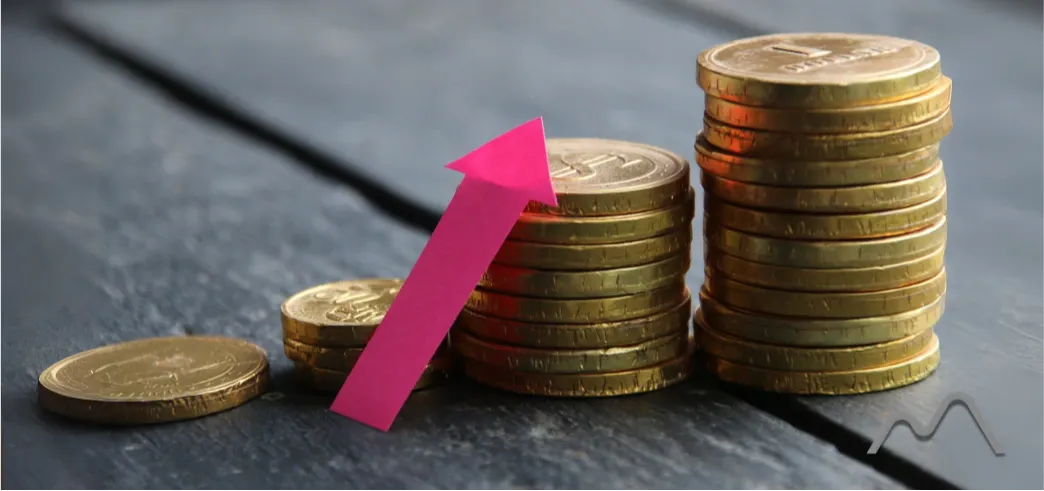
Gold has given an average annual return of approximately 5% to 6% in USD over the past 30 years.
The Silver Mountain does not provide investment advice, and this article should not be considered as such. Past performance is no guarantee of future results.
In the year 2000, when the gold price hit a historical low of approximately $279 per ounce, a kilogram of gold cost between €9,000 and €11,000, depending on the exchange rate at the time. Compared to current market rates in 2026, the value of a kilo of gold has increased manifold over the past decades. Discover the live gold price.
An investment of €10,000 in gold around 1996 would today represent a value estimated between €50,000 and €70,000. This outcome is highly dependent on the exact moment of purchase and the historical exchange rate of the Dutch guilder or euro gainst the US Dollar.
Over the past 30 years, the average annual return of gold has been approximately 5% to 6% in USD. While this may be lower than certain stock market indices in specific periods, gold offers a unique form of protection against systemic risks and currency devaluation that paper assets cannot provide.
Rolf van Zanten is the founder and owner of The Silver Mountain, a specialist in physical precious metals since 2008. With nearly twenty years of experience in the precious metals trade, Rolf shares his expertise on investing in gold, silver, and platinum in an accessible and reliable way. His knowledge of the international gold and silver markets helps investors make well-informed decisions. In his role as an expert, he strives to ensure that transparency, security, and trust are at the heart of every purchase.

Be the first to discover the latest products and the latest news about precious metals.


 Daan Wesdorp
 Nederlands