
 Buy gold bars
 Buy gold coins
 Series
 Buy silver coins
 Buy silver bars
 Series
 Buy silver collectible coins
 Silver collectible coin series
 Buy gold collectible series
 Gold collectible coin series
 Author:
  Date: 12 June 2025
 About
About Gold price forecast 2026: scenarios, opportunities and analysis
 Rolf van Zanten
11 December 2025
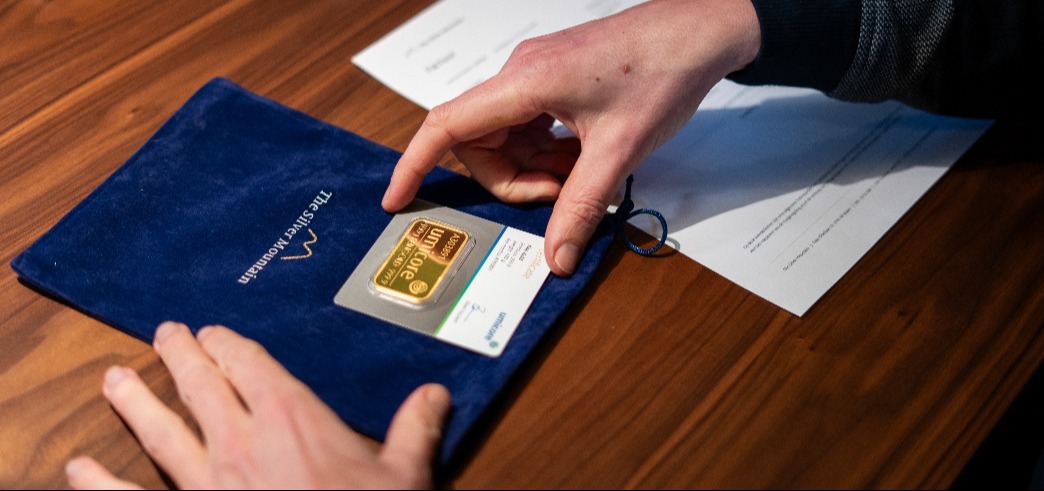
The Dutch government has introduced a ban on cash payments exceeding €3,000. This measure is intended to combat money laundering and financial crime and has direct consequences for consumers, businesses and buyers of physical precious metals.
In this article, you will read about what this ban entails, why it is being implemented, and the consequences for customers of The Silver Mountain who wish to buy gold with cash or make cash payments for gold.
The ban on cash payments above €3,000 was introduced to combat money laundering and large illicit cash flows. Cash payments offer a relatively high level of anonymity and make transactions harder to trace. By setting a legal limit, large purchases are more frequently conducted via traceable payment methods.
This measure affects multiple sectors, including the precious metals industry, and impacts consumers who use cash as a means of payment. The ban forms part of the Anti-Money Laundering Action Plan Act (Wet plan van aanpak witwassen) and affects everyone who prefers paying with cash.
The ban on cash payments above €3,000 entered into force on 1 January 2026. Since that date, traders in goods are no longer permitted to accept or make cash payments of €3,000 or more.
The effective date was established by Royal Decree and applies nationwide to sectors including jewellers, art dealers, pawnshops and precious metals companies.
Key points:
The Netherlands is not alone in introducing stricter rules. Across the European Union, stronger anti-money laundering regulations are being implemented. In 2027, a Europe-wide cash payment limit of €10,000 will be introduced.
Key points:
The ban applies to transactions involving the purchase or sale of goods, regardless of sector or product type.
Key points:
The government aims to make money laundering and financial crime more difficult. Large cash payments make it easier to conceal money flows and move illicit funds without a digital trail.
By lowering the cash payment threshold to €3,000, large purchases are more often conducted using traceable payment methods. This aligns the Netherlands with neighbouring countries and reduces opportunities for criminals to exploit regulatory differences.
This brings the Netherlands more in line with neighbouring countries, preventing criminals from diverting activities here.
The EU is also tightening regulations. A Europe-wide limit of €10,000 for cash payments will take effect in 2027.
Member states may impose stricter limits; the Netherlands chooses €3,000 because this aligns better with national risk assessments and the policies of other EU countries.
In addition, part of the extensive reporting and investigation obligations previously associated with large cash transactions has been reduced, lowering administrative burdens for businesses.
The Dutch government emphasises that cash should remain available for normal, legitimate use. For this reason, a mandatory cash acceptance obligation applies up to €3,000.
This ensures that cash payments remain possible for everyday purchases while limiting misuse.
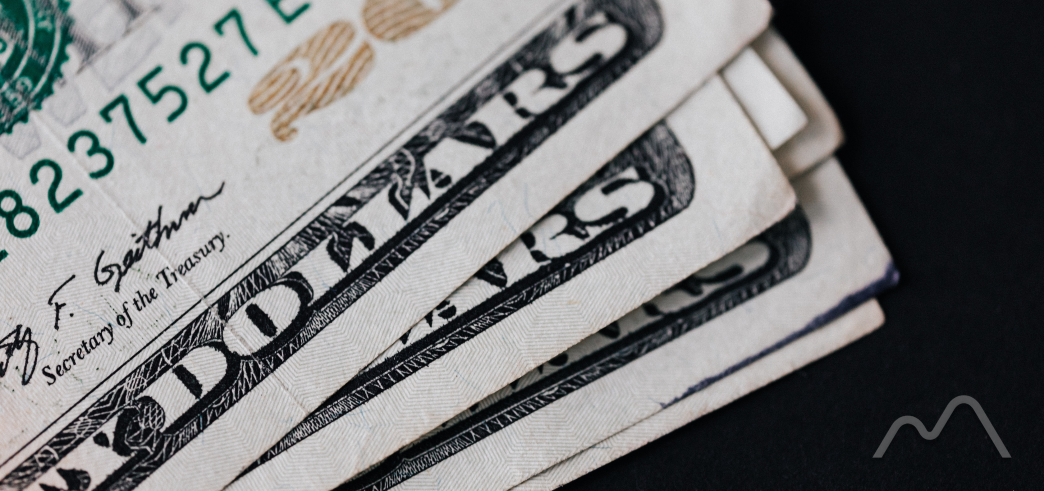
Buying gold and silver with cash will remain possible, but the maximum price is lowered to 3000 euros.
Cash purchases of gold or silver above €3,000 are no longer permitted. Larger investments must be paid entirely via bank transfer or other electronic payment methods.
Since the ban applies, purchases of gold or silver above €3,000 can no longer be paid for in cash. Larger investments must be paid via bank transfer or other electronic payment methods.
For customers who currently prefer cash for privacy or convenience, this will change the way larger purchases can be made.
For amounts below €3,000, little is expected to change. Buying gold with cash will remain permitted, although sector-specific or security guidelines may impose additional conditions.
The government is also working on a mandatory acceptance requirement up to €3,000, ensuring that cash remains available for everyday purchases.
Investors who regularly invest larger amounts in precious metals must adjust their payment methods. Splitting purchases into smaller amounts is legally permitted, provided this is not used to circumvent regulations.
Since 1 January 2026, several things have changed for customers of The Silver Mountain. The Silver Mountain closely follows all applicable regulations and ensures that customers can continue to buy physical precious metals safely, transparently and fully in compliance with the law.
Up to and including 31 December 2025, The Silver Mountain accepted cash payments up to €10,000 for certain transactions. The following conditions applied:
This still allows customers who value privacy or convenience to pay for gold in cash within existing limits.
Since 1 January 2026:
*As of 1 January 2026, The Silver Mountain no longer accepts cash payments. The additional administrative and security requirements no longer outweigh the added value for customers.
Customers who currently make regular high-value cash payments will need to switch to electronic payment methods .
At our sister company Inkoop Edelmetaal, it was possible until 31 December 2025 to sell precious metals and receive payment in cash. This allowed customers to access their proceeds quickly without involving a bank.
Since the introduction of the cash payment ban above €3,000 on 1 January 2026, cash payouts are no longer offered. All payments are now made exclusively via bank transfer.
Many investors value privacy when buying physical gold. Fully anonymous gold purchases are already not possible in the Netherlands due to anti-money-laundering laws (Wwft).
Since the introduction of the €3,000 cash limit, these options have been significantly restricted.
At present, it is possible to buy gold without having your name on the invoice through telephone-based counter sales. Currently:
This allowed customers who value privacy to make relatively discreet purchases, within the legal framework.
Once the ban is in effect:
This removes the possibility to settle part of a larger purchase discreetly using cash.
Customers who value privacy should note:
TSM will no longer accept cash payments as of January 1, 2026. The additional administrative and security requirements do not justify the limited added value for our customers.
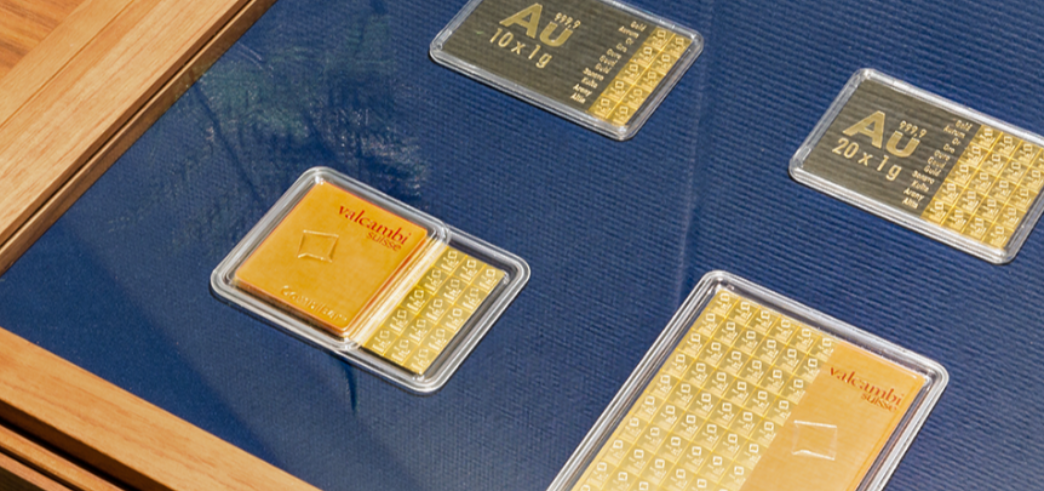
Buying gold with cash was possible at The Silver Mountain until December 31, 2025. .
The ban on cash payments above €3,000 has significant consequences for anyone buying or selling physical gold or silver in the Netherlands. While cash payments at The Silver Mountain were still possible up to €10,000 until the end of 2025, all purchases since 1 January 2026 must be settled electronically.
The Silver Mountain continues to guide customers within the applicable legal framework to ensure that every transaction is safe, transparent and compliant.
The Silver Mountain does not provide individual investment advice. This article is for informational purposes only. Past performance and the market developments described do not guarantee future results.
Since 1 January 2026, cash payments of €3,000 or more are legally prohibited. This also applies to the purchase of gold and other precious metals. As of this date, The Silver Mountain no longer accepts cash payments, regardless of the amount.
Since the introduction of the ban, purchases of gold or silver above €3,000 can no longer be settled in cash. Larger purchases must be paid entirely via bank transfer or other electronic payment methods. While cash payments remain legally permitted up to €3,000, they are no longer offered at The Silver Mountain.
Fully anonymous gold purchases are not permitted in the Netherlands due to anti-money laundering legislation. Since the €3,000 cash payment ban came into force, privacy-friendly purchasing options have become more limited. Larger purchases must be paid electronically and require full identification. Limited privacy is only legally possible for smaller transactions below €3,000 and outside professional traders.
The Dutch government introduced this limit to more effectively combat money laundering and financial crime. Large cash transactions offer a high degree of anonymity and are difficult to monitor. By lowering the threshold to €3,000, larger purchases are more often completed via traceable payment methods. This aligns Dutch policy with European anti-money laundering regulations while keeping cash available for everyday use.
For purchases above €3,000, you should take into account that electronic payment via bank transfer is required. Buyers who value privacy should be aware that large cash purchases are no longer possible. Splitting purchases into smaller amounts is legally permitted, provided this is not used to circumvent applicable regulations.
Cash payments remain legally permitted up to €3,000 per transaction. The Dutch government applies a mandatory cash acceptance obligation up to this amount. For higher amounts, cash payments are no longer allowed and electronic payment is the standard. As of 1 January 2026, The Silver Mountain accepts exclusively electronic payment methods.
Daan Wesdorp is Purchasing Manager at Inkoop Edelmetaal, part of The Silver Mountain, and a specialist in trading physical precious metals. With a background in economics and years of experience in the financial markets, Daan possesses in-depth knowledge of stocks, cryptocurrencies, and precious metals. His broad market insight makes him a reliable source for investors looking to diversify and protect their assets. In his articles, Daan combines up-to-date market information with practical insights for both new and experienced investors.

Be the first to discover the latest products and the latest news about precious metals.


 Daan Wesdorp
 Nederlands