
 Buy gold bars
 Buy gold coins
 Series
 Buy silver coins
 Buy silver bars
 Series
 Buy silver collectible coins
 Silver collectible coin series
 Buy gold collectible series
 Gold collectible coin series
 Author:
  Date: 26 February 2025
Cleaning Silver Coins: how to do it safely (without causing damage)
 Rolf van Zanten
4 December 2024
Verifying the authenticity of silver is essential for anyone who owns or plans to buy physical silver. When purchasing investment-grade silver, you expect certainty: the product must be pure, match the stated weight, and come from a reputable mint or refinery.
Fortunately, with a few simple tests, such as the magnet test, the ping test, and testing silver with vinegar, you can perform a reliable first check yourself. This article explains how to test silver without specialized equipment and which professional methods reputable dealers use to confirm authenticity.
Ensuring silver authenticity is crucial to confirm that you truly possess what you believe you have: a pure and valuable precious metal. In private markets, plated items or bars that do not match their stated weight or purity appear regularly.
If a silver coin or silver bar turns out to be counterfeit, this can lead to immediate financial loss, especially for larger purchases or long-term investments.
Real silver also retains its value only when it comes from an accredited producer and meets international purity standards.
By checking your silver regularly, especially when buying from private sellers, you avoid unknowingly adding a counterfeit piece to your portfolio.
Reputable dealers such as The Silver Mountain test every silver product beforehand. This ensures that you always invest in authentic, investment-grade silver of reliable quality.
Real silver has several identifiable features that help you quickly assess authenticity. Pure silver has a distinct cool-toned shine that is difficult for counterfeiters to replicate.
Accredited silver bars and coins always carry clear hallmarks indicating purity, weight and often the producer. Inspect the finish closely: genuine pieces have clean, sharp engravings and consistent edges, while replicas often show minor imperfections.
Weight and dimensions are equally important indicators; authentic silver products never deviate noticeably from the official specifications.
A first inspection starts by examining the visual features:
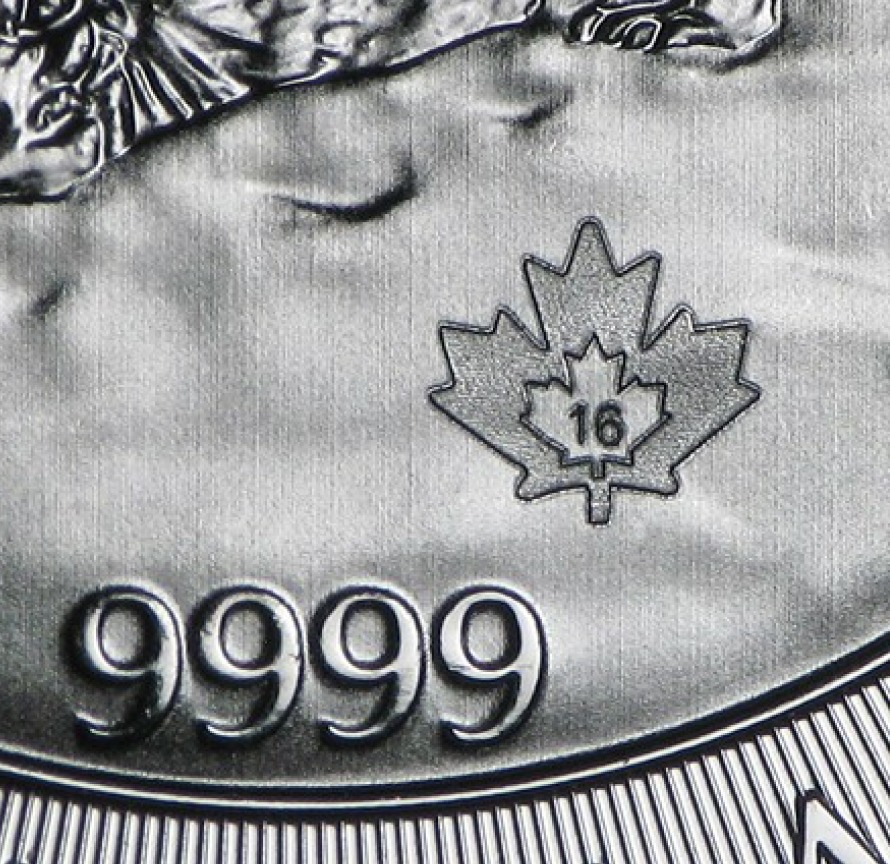
Real silver can be recognized by hallmarks, finish, color and correct weight.
Want to check silver authenticity at home? There are several reliable methods you can perform yourself. These simple tests offer a quick first indication, though they cannot fully replace professional analysis.
Home methods for testing silver:
The magnet test is the best-known method. Real silver is not magnetic. A genuine silver coin or bar should not be attracted to a strong magnet. If it does react, it is almost certainly not pure silver.
However, some counterfeits are made from non-magnetic metals like copper or brass. If your silver does not react to a magnet, that’s a positive sign (but not definitive proof). Always combine this with additional tests.
Silver coins can easily be tested using the ping test. Hold the coin gently between two fingers and tap it with another coin or pen.
This method works best for thin, round coins. Bars and thick medals produce less recognizable sounds, so use the ping test primarily for coins.
Every accredited producer follows strict specifications for weight and size. Bars and coins often display their official weight, such as 1 troy ounce (31.103 grams) or 100 grams.
How to test yourself:
Noticeable deviations may indicate that the silver is not authentic, especially for well-known investment coins or bars.
A commonly used home test is the vinegar test. Apply a small drop of household vinegar to an inconspicuous spot and wait a few minutes.
While home tests provide useful information, a professional silver tester remains the most accurate and reliable method for verifying silver authenticity and purity.
Dealers and certification labs use advanced, non-destructive analytical techniques that reveal the exact composition of a silver bar or coin within seconds.
XRF is the most widely used professional method. The surface of the silver is exposed to X-rays, and the reflected radiation reveals which elements are present and in what proportions. This method does not damage the item, making it ideal for investment-grade products and collectibles.
Professional silver testers are the industry standard worldwide. At The Silver Mountain, all silver bars and coins are thoroughly verified before being offered for sale, ensuring you always purchase authentic, high-quality silver.
Home tests can offer reassurance, but certain situations call for professional verification. This is especially important when a bar or coin shows irregularities, or when dealing with high-value or rare items.
A professional dealer uses precise equipment, such as XRF scanners and density meters, to determine the exact metal composition down to the percentage level.
Consult a professional when:
Dealers like The Silver Mountain test every item thoroughly before buying or selling, ensuring you always trade in authentic investment-grade silver.
Silver purchased from The Silver Mountain can easily and transparently be sold again through our partner company Inkoop Edelmetaal.
Thanks to our buyback guarantee, you always receive a fair price based on the live silver rate, without additional testing or uncertainty, because your silver has already been verified at the time of purchase.
All our products come from LBMA-certified producers, ensuring you invest in genuine silver of the highest quality.
So how can you identify genuine silver coins or bars? Testing silver for authenticity is an essential step in ensuring your investment is pure and reliable. Simple home tests, like the magnet test, ping test and vinegar test, provide quick initial insight.
For complete certainty, professional silver testers such as XRF analyzers offer the most precise results. At The Silver Mountain, all silver products undergo rigorous verification, allowing you to buy silver, store and sell with confidence.
The Silver Mountain does not provide individual investment advice. This article is for informational purposes only. Past results and described market developments offer no guarantees for the future.
You can test silver at home using simple methods such as the magnet test, ping test, weight check and a drop of vinegar. These tests provide a quick first indication of authenticity. Combining multiple methods improves reliability. When in doubt, professional analysis remains the safest option.
Real silver is completely non-magnetic. If a coin or bar is attracted to a strong magnet, it is almost certainly not pure silver. No reaction is a good sign, but not definitive as some counterfeits are also made from non-magnetic metals.
Yes, a vinegar test can help detect plated or low-purity silver. Real silver does not discolor when exposed to vinegar. If it turns green, brown or dark, the object likely contains other metals. The vinegar test is a useful indicator, but should be combined with other methods.
Warning signs include weight, thickness or diameter that deviate from official specifications, magnetic reaction, dull sound during a ping test, discoloration when using vinegar and unclear or incorrect hallmarks. If several of these occur, professional testing is strongly recommended.
A professional silver tester, such as an XRF device, is essential when you need certainty about purity and metal composition. This is recommended for large transactions, second-hand purchases or when home tests give conflicting results. Professional tests are fast, accurate and non-destructive.
XRF analysis exposes the surface of the silver to X-rays. The reflected energy reveals exactly which metals are present and in what proportions. The test is highly accurate, completely safe for the item and considered the industry standard for verifying precious metals.
Rolf van Zanten is the founder and owner of The Silver Mountain, a specialist in physical precious metals since 2008. With nearly twenty years of experience in the precious metals trade, Rolf shares his expertise on investing in gold, silver, and platinum in an accessible and reliable way. His knowledge of the international gold and silver markets helps investors make well-informed decisions. In his role as an expert, he strives to ensure that transparency, security, and trust are at the heart of every purchase.

Be the first to discover the latest products and the latest news about precious metals.


 Daan Wesdorp
 Nederlands