
 Buy gold bars
 Buy gold coins
 Series
 Buy silver coins
 Buy silver bars
 Series
 Buy silver collectible coins
 Silver collectible coin series
 Buy gold collectible series
 Gold collectible coin series
 Author:
  Date: 27 September 2023
 About
About Why buy physical gold rather than gold mining shares
 Rolf van Zanten
12 March 2025
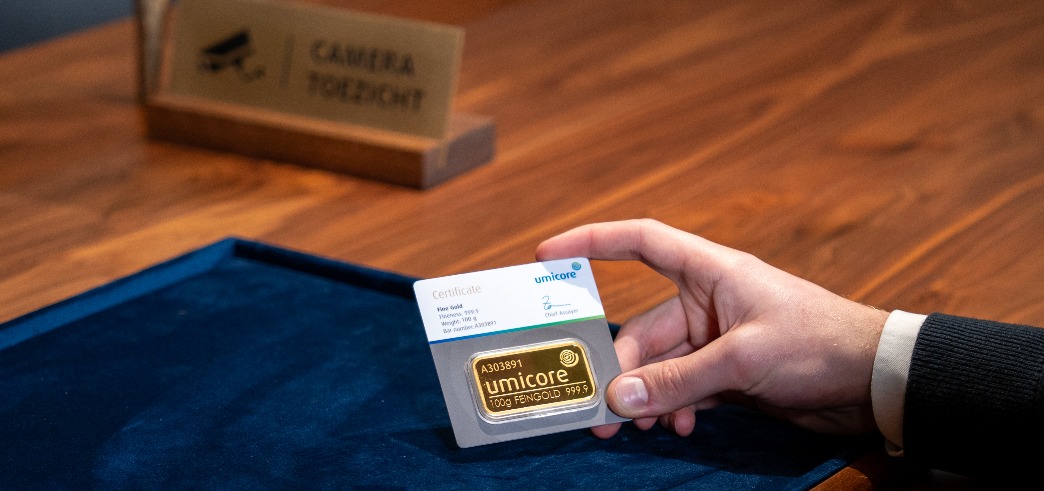
Investing in gold can be done in various ways. You can buy physical precious metal in the form of gold bars or gold coins, but you can also choose allocated gold, unallocated gold, ETFs, ETCs, or gold mining stocks. Which method suits you best depends entirely on your personal goal. Are you looking for direct wealth protection, or are you looking for maximum returns via the stock exchange?
In this knowledge article from The Silver Mountain, we clearly outline all the options for you, including the specific advantages and risks.
There are 5 commonly used ways to invest in gold:
These forms are similar because they all involve gold, but they differ greatly in ownership, risk, costs, and liquidity. Anyone who wants to know how to invest in gold would therefore do well to first determine whether the primary goal is wealth protection, trading, or returns.
For many investors, buying physical gold is the most direct form of wealth protection. You actually own the precious metal and literally hold it in your own hands. Because of this, you are not dependent on the stability of banks or complex digital systems. You completely eliminate counterparty risk this way.
Within this safe category, you often choose from two popular options: gold bars and gold coins.
Investing in gold bars is usually the most cost-effective way to purchase physical precious metal. This is due to the relatively low production costs compared to the current spot price. As a rule, the larger the gold bar, the more favorable this ratio generally becomes.
Important points to consider when buying gold bars:
Gold bullion coins are hugely popular among private investors because of their high liquidity and flexibility. The best-known and most traded coins weigh exactly one troy ounce. This corresponds to just over thirty-one grams of pure gold.
Why many investors specifically choose gold coins:
| Form of physical gold | Main advantages | Points to consider |
|---|---|---|
| Gold bars | Very low premium over the gold price and lower production costs. | Large bars offer less flexibility when you want to sell a small portion. |
| Gold coins | Optimal flexibility when selling and worldwide recognition. | Production costs are relatively slightly higher compared to gold bars. |
At The Silver Mountain, you are assured of the highest quality and reliability. We work exclusively with selected producers who possess an official LBMA accreditation. As a result, you always buy 100% pure and recognized gold. This offers you worldwide acceptance and rapid tradability in the future.
When you invest larger amounts in precious metals, safe storage in your own home can pose quite a challenge and a significant responsibility. In that case, storing allocated gold is an extremely reliable and practical solution.
Here, you buy physical gold that is directly and safely stored in a highly secured professional vault room. The most important feature of this structure is that you legally always are and remain the full and rightful owner of the precious metal.
Many experienced investors choose allocated gold because of the following advantages:
| Storing allocated gold | Explanation and features |
|---|---|
| Main advantages | Optimal security, full insurance, and no worries about storage in your own home. |
| Important point to consider | You pay periodic storage costs for the vault rental and continuous insurance. |
| Physical delivery | You are and remain the legal owner, allowing you to physically request the precious metal at any time. |
Through our permanent and reliable partner Edelmetaal Beheer Nederland, we offer extremely transparent and safe storage for all your precious metals. For this, you only pay clear and periodic storage costs for security and insurance.
Should you prefer to manage your gold yourself at a later date, physical delivery by appointment is always possible without any problems.
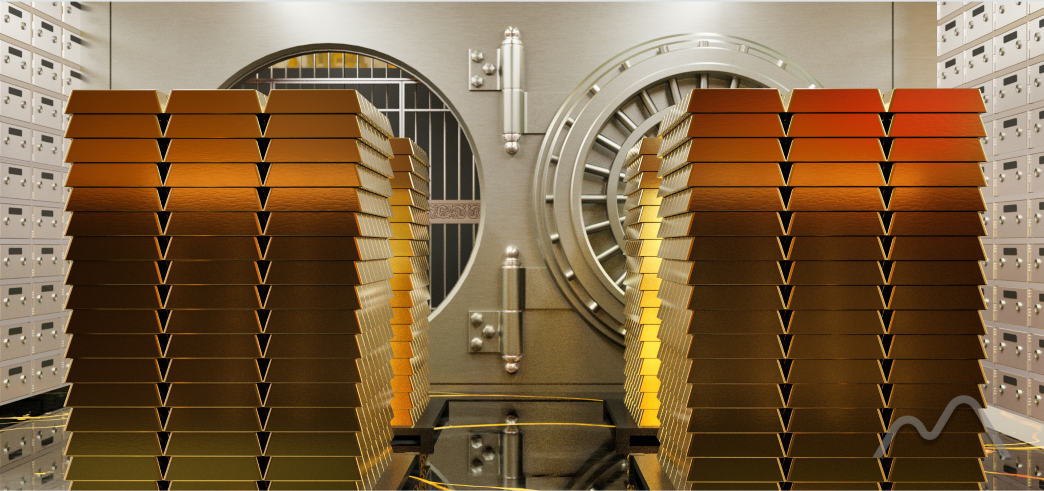
By investing in allocated gold your assets are stored safe and secure.
When you choose unallocated gold, you are actually investing in a financial claim with a bank or a similar institution. Your investment tracks the current gold price very closely, but there is an important difference from the previously mentioned methods.
You are not the legal owner of specific gold bars or gold coins. This is purely a paper investment in an account.
Because you do not actually own the gold, the issuing institution often uses the underlying precious metal as working capital on its balance sheet. This entails a significant risk for you as an investor.
Important features to keep in mind with unallocated gold:
For fast traders who are purely speculating on a rising price, unallocated gold can be attractive. For investors who are instead looking for a safe haven and wealth protection, unallocated gold is absolutely not the most logical choice. For the highest level of certainty, we always recommend choosing direct physical ownership.
| Unallocated gold | Explanation and features |
|---|---|
| Main advantage | A very fast and relatively cheap way to get in without storage costs. |
| Important point to consider | You only own a claim and therefore run a significant counterparty risk. |
| Physical backing | There is no directly tangible precious metal linked to your own name or account. |
How do you buy gold on the stock exchange without actually getting it physically in your hands? For active traders who exclusively want to respond to current price movements, gold ETFs and gold ETCs offer a logical solution.
These are exchange-traded products that allow you to track the gold price very easily and rapidly via your own online broker.
Although the terms are often used interchangeably in the financial world, there is a fundamental and important difference. An ETF is the abbreviation for a traditional investment fund. However, due to strict European regulations regarding risk diversification, investment funds are never allowed to invest in just one single commodity.
Therefore, on European stock exchanges, you will almost always invest in an ETC. This is an exchange-traded debt instrument designed to track the exact value of the underlying commodity.
Investing in gold via the stock exchange brings advantages and disadvantages. These products are particularly interesting for people with a short investment horizon:
For investors looking for maximum security, tangible ownership, and independence from the digital financial system, purchasing physical precious metal remains by far the most sensible and safe choice.
| Exchange-traded gold | Explanation and features |
|---|---|
| Main advantages | Very high liquidity and you can trade extremely quickly via your own online broker. |
| Important point to consider | You pay structural management costs and are entirely dependent on the financial issuer. |
| Physical backing | You own a financial exchange product and can almost never ask for a physical delivery. |

Investing in goldmine shares is volatile and more suited for speculative investors.
A completely indirect way to invest in gold is by purchasing shares in specialized mining companies. Instead of owning the precious metal yourself, you buy shares of commercial companies that explore, develop, or actively extract gold from the ground.
This is a speculative form of investment that differs fundamentally from buying physical bars or coins.
Gold mining stocks are favored by active speculators because of the built-in leverage on the gold price. When the price of the precious metal rises and the fixed production costs of the mining companies remain virtually the same, the profit margin of these companies skyrockets.
In a strongly rising market, gold mining stocks can therefore rise significantly faster than the actual gold price itself.
The flip side of this leverage is extreme volatility. Your ultimate return with this method depends not only on the global gold price. The value of your shares is strongly influenced by factors such as:
Gold mining stocks are therefore not a safe substitute for physical precious metals. They are primarily suited for experienced investors who are deliberately looking for above-average returns and accept the corresponding high-risk profile.
For investors aiming for certainty and wealth protection, purchasing physical gold remains the most logical and reliable choice at all times.
| Gold mining stocks | Explanation and features |
|---|---|
| Main advantage | Chance of exceptional returns due to the strong underlying leverage effect. |
| Important point to consider | You are completely at the mercy of the mining company's operational performance. |
| Physical backing | You own shares in a commercial enterprise and absolutely no tangible precious metal. |
The best way to invest in gold depends on your goal. Do you want tangible ownership and less dependence on financial parties? Then physical gold in the form of gold bars or gold coins is the most obvious choice.
Do you primarily want to trade easily via the stock exchange? Then gold ETFs or ETCs might be suitable. Are you looking for a higher chance of a high return and do you accept more risk? Then gold mining stocks could be interesting.
For many investors, physical gold is the foundation. It is tangible, globally tradable, and not dependent on a digital account or stock market listing. Those who additionally want to actively capitalize on price movements can use exchange-traded products as a supplement. It is wise not to mix these goals up.
Investing in gold begins with choosing the right form. Physical gold and allocated gold offer tangible certainty and wealth protection without counterparty risk. Unallocated gold, ETFs, ETCs, and gold mining stocks certainly offer convenience and rapid tradability, but they also bring more risks and dependence on financial parties.
The Silver Mountain deliberately focuses on physical precious metals that you can buy directly, have delivered, or have professionally stored. By doing so, you choose the most transparent and safest way to tangibly diversify your wealth.
The Silver Mountain does not provide investment advice. This article is for educational purposes only. Past performance is not indicative of future results.
The best way depends on your personal goal. For maximum security and wealth protection, physical gold in the form of gold bars or gold coins is the absolute gold standard. If you are instead looking for quick speculation via the stock market, then gold funds or gold mining stocks are a logical choice.
You can safely purchase physical gold from a recognized precious metals dealer such as The Silver Mountain. Always choose gold bars or gold coins from producers with an official LBMA accreditation. You can then have your purchase discreetly delivered to your home, pick it up yourself, or have it stored professionally and on an allocated basis.
When buying physical gold, you actually own tangible precious metal. You are completely independent. With a gold ETF, you solely own a financial exchange product that tracks the current gold price. You do not hold any precious metal and, moreover, you always run a direct counterparty risk with the financial issuer.
You can already get started with relatively small amounts. Small gold coins or one-gram gold bars are available for less than a hundred euros. For investors with greater wealth, heavier gold bars are very attractive due to the relatively much lower production costs compared to the current spot price.
Gold mining stocks offer investors the chance of an above-average return. This is due to the strong leverage on the gold price. However, these stocks are highly volatile. You are investing in commercial companies and thereby run significant operational and political risks that you completely eliminate with physical precious metals.
Yes, investing in allocated gold is a very safe choice for your wealth. The precious metal is optimally secured and one hundred percent insured in a professional vault. You are legally the rightful owner of the precious metal. In the event of a possible bankruptcy of the custodian, your investment is guaranteed to be safe.
Daan Wesdorp is Purchasing Manager at Inkoop Edelmetaal, part of The Silver Mountain, and a specialist in trading physical precious metals. With a background in economics and years of experience in the financial markets, Daan possesses in-depth knowledge of stocks, cryptocurrencies, and precious metals. His broad market insight makes him a reliable source for investors looking to diversify and protect their assets. In his articles, Daan combines up-to-date market information with practical insights for both new and experienced investors.

Be the first to discover the latest products and the latest news about precious metals.



 Nederlands